
Famous eruptions and the history of volcanology
Pinatubo in 1991, Hunga in 2022, Mount St Helens in 1980, Kīlauea in 2018, Vesuvius in AD 79, Tambora in 1815, and the people who first wrote them down. From Pliny's letters to Hamilton's Campi Phlegraei, these articles go with the units that work through these eruptions.
Articles
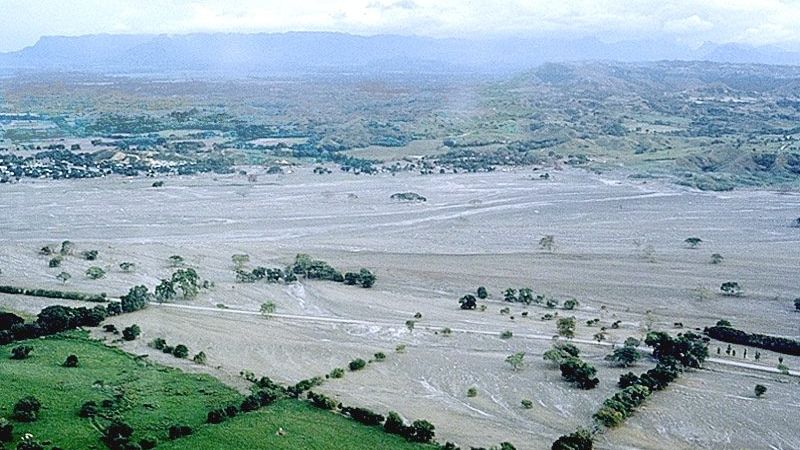
Armero, 13 November 1985
A small eruption of Nevado del Ruiz melted part of its ice cap. The lahars reached Armero, 70 km away, about two and a half hours later and killed about 23,000 people. A hazard map had shown the town in the path.
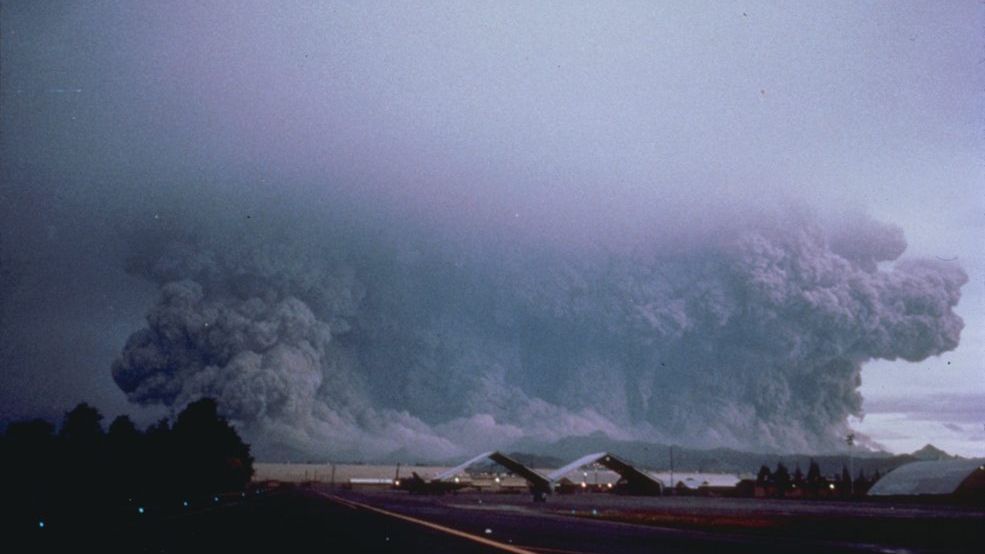
How Pinatubo was forecast in time
In June 1991 scientists of PHIVOLCS and the US Geological Survey read the earthquakes, the gas, and the ground of a volcano nobody had seen erupt, raised the alert step by step, and moved about 60,000 people before the eruption of 15 June.
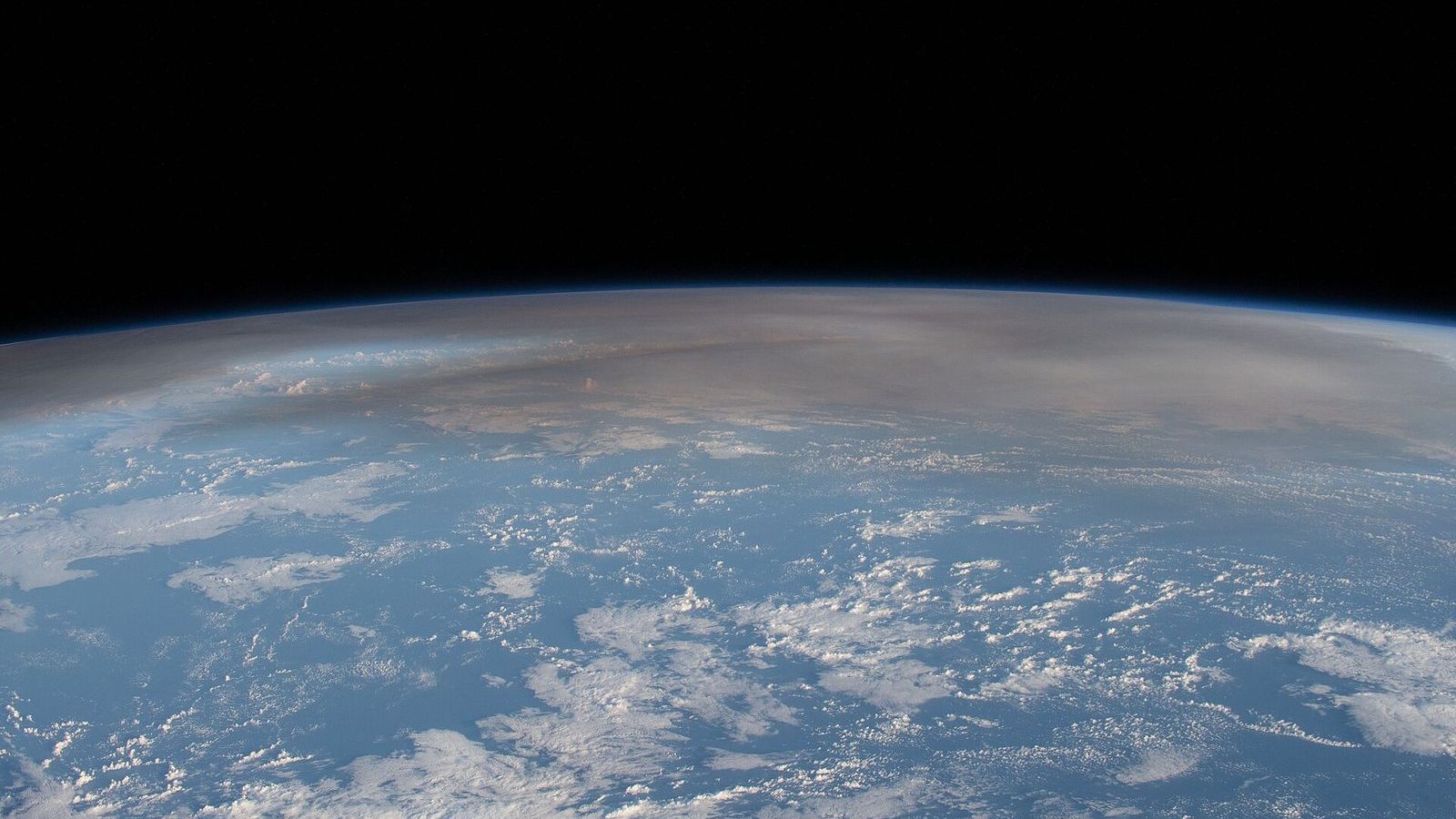
The eruption column that reached the mesosphere
On 15 January 2022 a submarine volcano in Tonga sent a cloud to about 57 km, higher than any eruption measured before. Three weather satellites saw it from different angles, and the geometry gave the height.
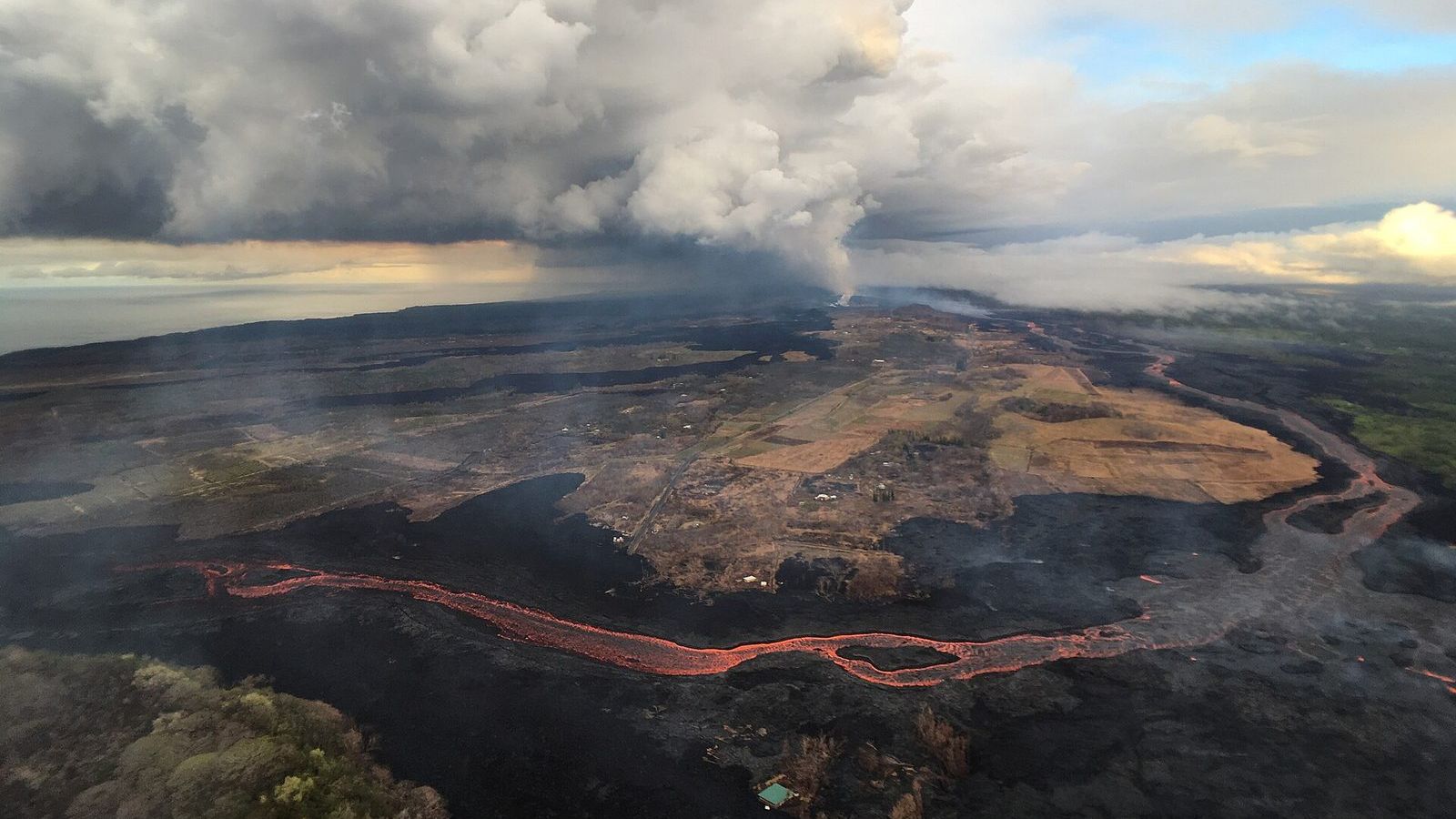
How the 2018 Kīlauea eruption unfolded
In three months of 2018 Kīlauea drained its summit lava lake, opened 24 fissures in a residential district, poured about 0.8 km³ of lava to the sea, and let its summit collapse. The eruption was a cascade, and it was readable.
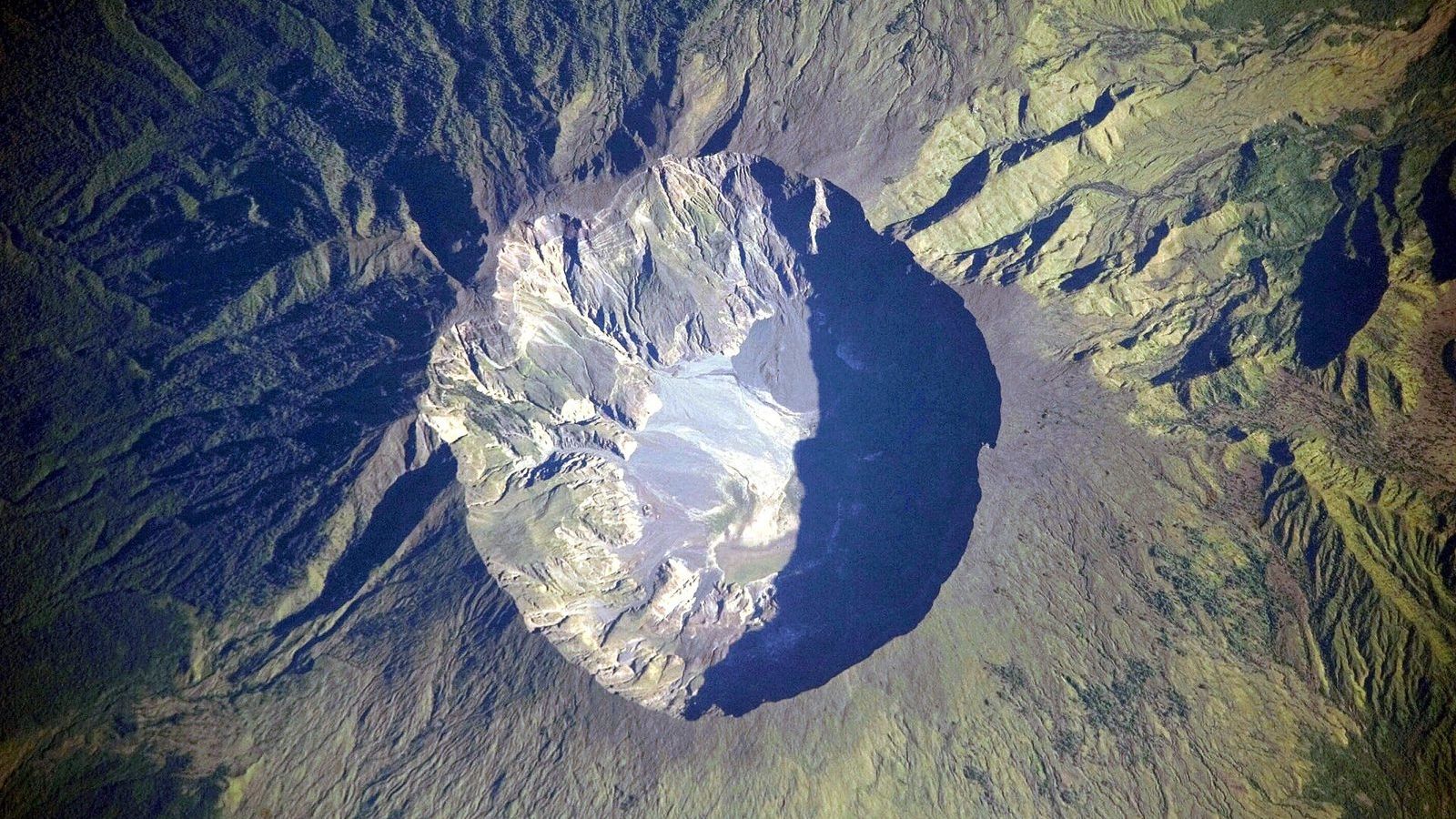
The year without a summer
Tambora erupted in April 1815 and the summer of 1816 failed from New England to the Rhine. The link runs through sulfur, the stratosphere, and a veil of tiny droplets, and Pinatubo let scientists measure it in 1991.
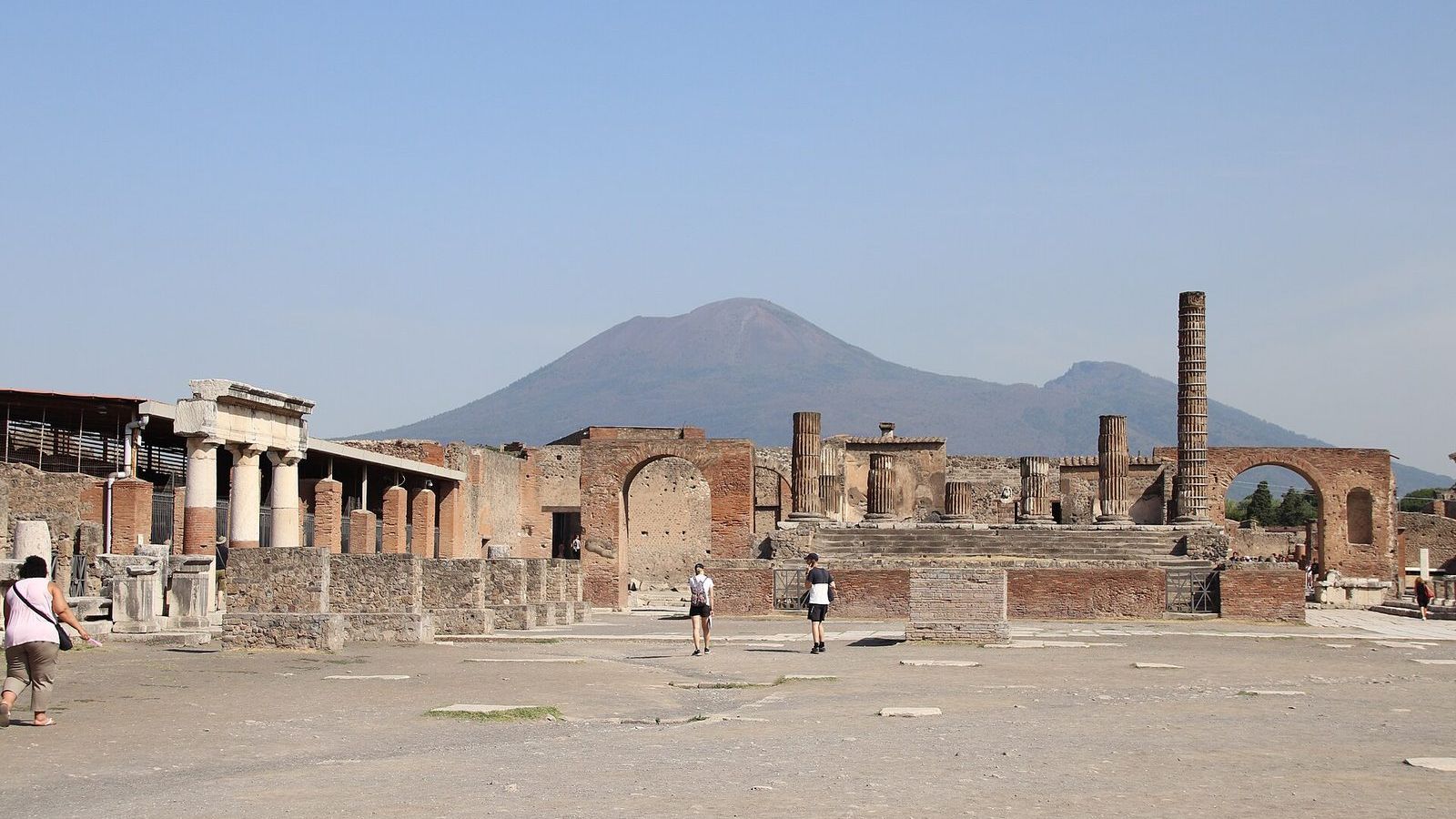
Pliny's letter and the eruption that named a style
Two letters to Tacitus, written about twenty-five years after the eruption of AD 79, are the first eyewitness account of a great eruption. A volcanologist reads them today as a record of column height, collapse, and ash fall.
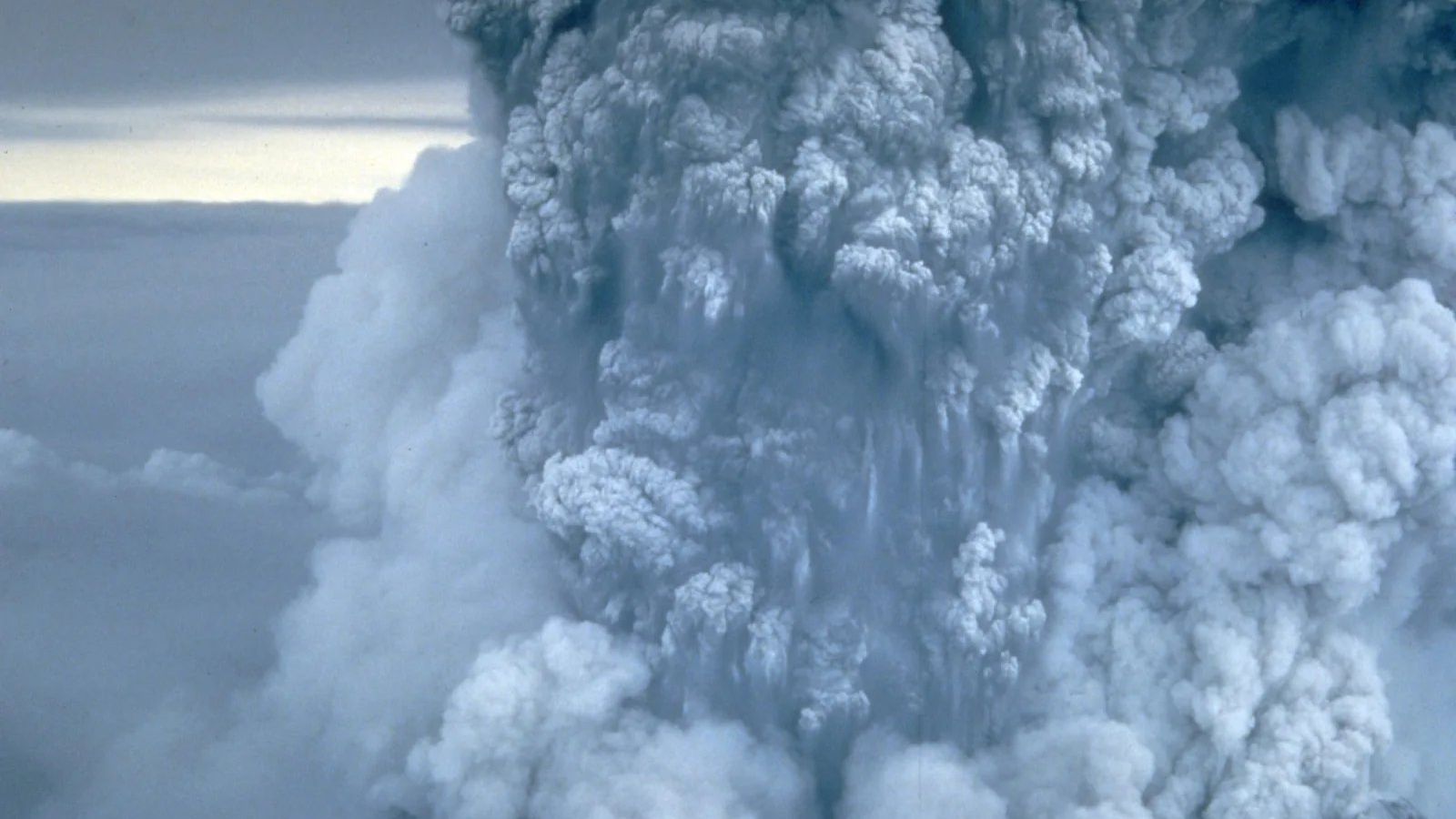
Why Mount St Helens exploded and Kīlauea does not
Two volcanoes fed by magma from the mantle, one of which flattened a forest and one of which tourists watch from a car park. The difference comes down to water, silica, and the physics of a shaken bottle.
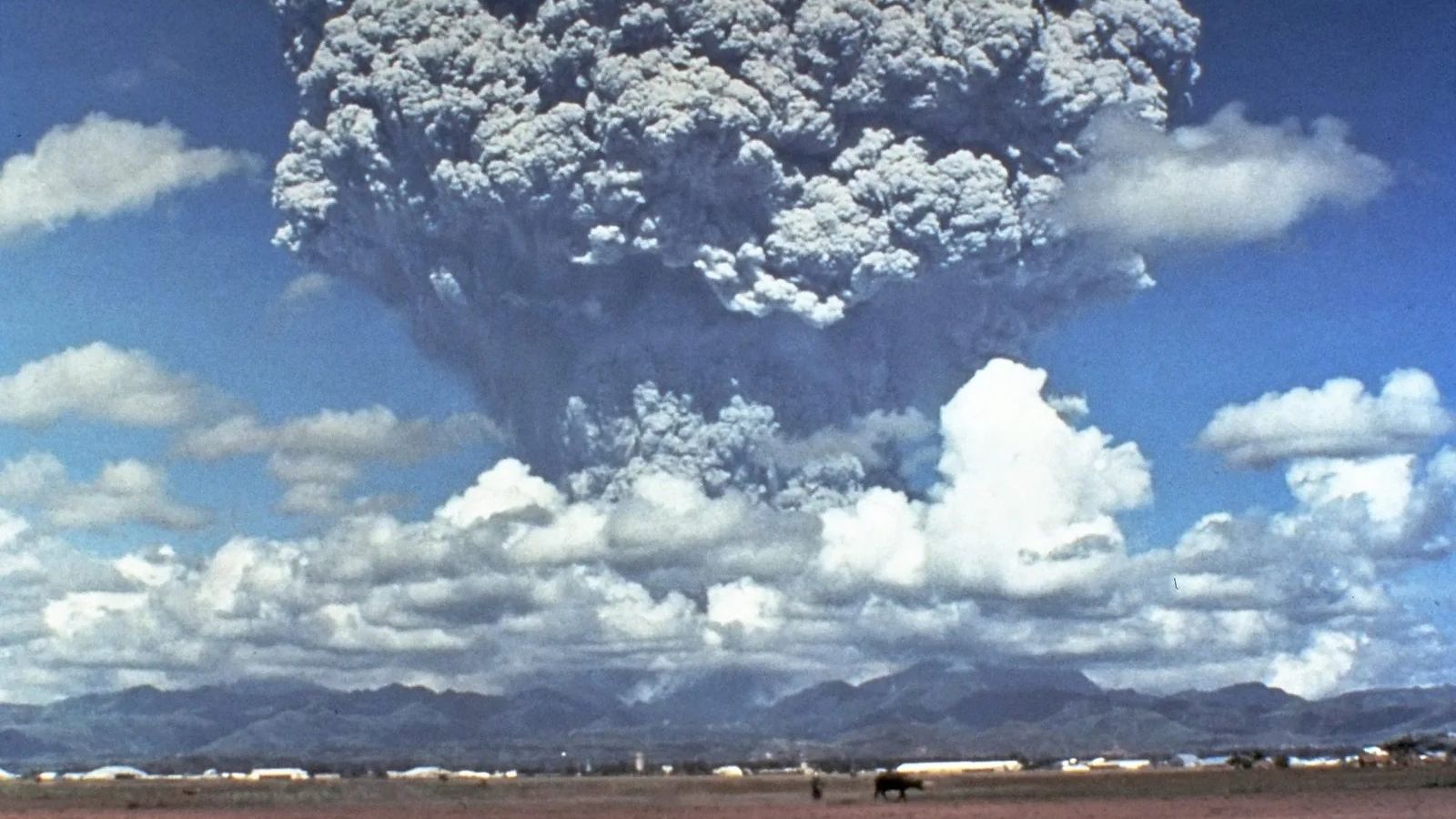
What the Volcanic Explosivity Index measures
VEI 5 for Mount St Helens, 6 for Pinatubo, 7 for Tambora: each step is about ten times the tephra. Here is how the index is defined, where the famous eruptions fall, what the magnitude scale adds, and what the index cannot tell you.
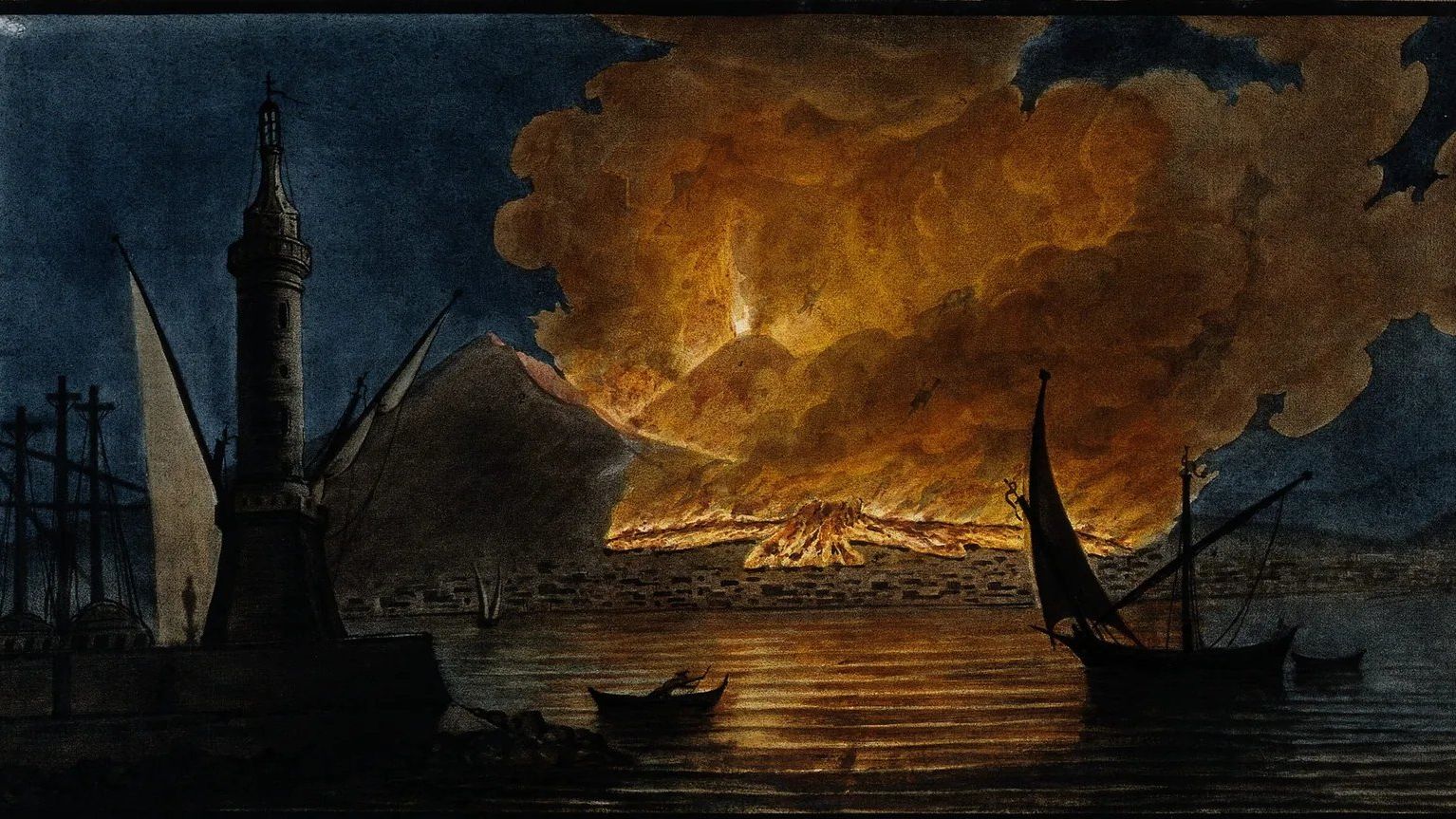
Sir William Hamilton and the volcanoes of Naples
The British envoy at Naples climbed Vesuvius through its eruptions, sent his observations to the Royal Society, and in 1776 published Campi Phlegraei, the first book that recorded a volcano as it changed. Volcanology begins with it.
In the masterclass
The Volcanologist's Toolkit
The quantities, scales, and records with which every volcano is measured
Lava Flows and Effusive Eruptions
How lava moves, how far it goes, and what the 2018 eruption of Kīlauea taught
Explosive Eruptions
From the first bubble to an eruption column 57 km high
Pyroclastic Currents, Lahars, and Volcanic Risk
What kills at a volcano, how far it reaches, and what a warning needs in order to work
Monitoring and Forecasting Eruptions
The three signs of unrest, the observatory that reads them, and the limits of a forecast