
Research presented in the program
Established volcanology is the foundation. The research spotlights show what is being built on it now: each unit presents the published work of a leading volcanologist and links to the original paper.
The scientists named here are not contributors to the Volcanology Masterclass, are not affiliated with it, and have not endorsed it. The program presents and explains their published research, with references to the original papers.
Research spotlights
Sarah K. Brown
The global record of large explosive eruptions and its completeness
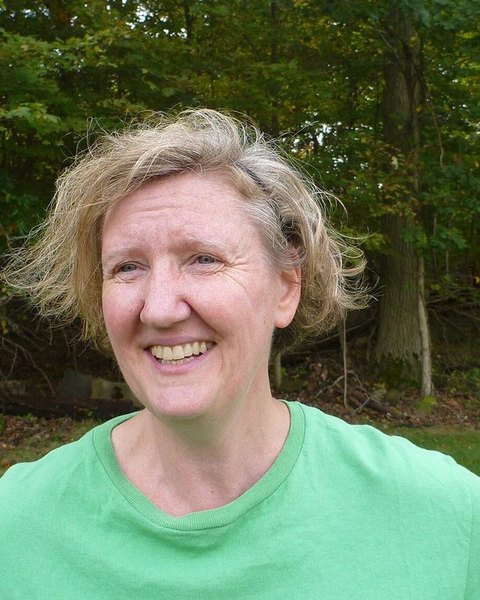
Terry Plank
The water content of arc magmas, measured in melt inclusions
Oryaëlle Chevrel
The viscosity of lava measured on active flows
Oliver Shorttle
The composition and temperature of the mantle beneath Iceland, read from its basalts
Matthew R. Patrick
The 2018 eruption of Kīlauea and what it means for forecasting
Freysteinn Sigmundsson
The growth of the dyke that fed the Holuhraun eruption of 2014
Simon R. Proud
The height of volcanic clouds measured from weather satellites
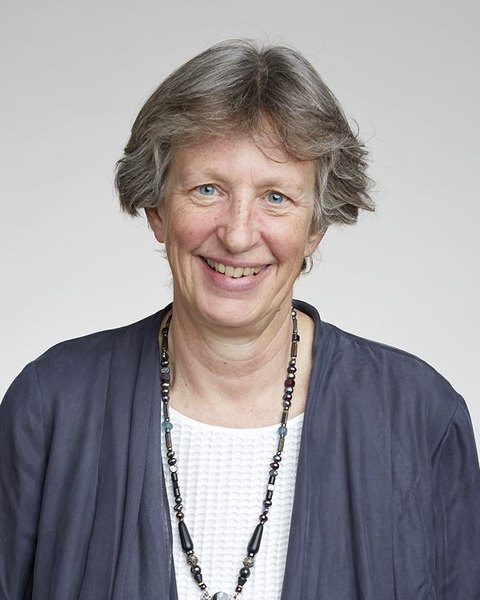
Katharine V. Cashman
Far-travelled volcanic ash and what it says about past eruptions
Thomas R. Walter
Volcano deformation, flank instability, and the hazard cascade of the 2018 Anak Krakatau collapse
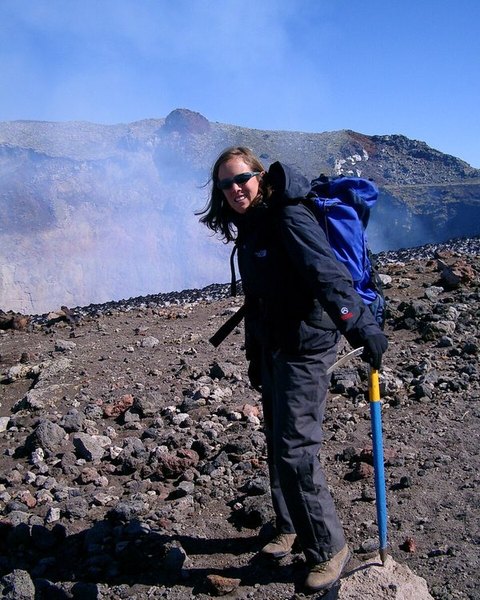
Tamsin A. Mather
Volcanic emissions and their effect on the environment, past and future
Clive Oppenheimer
The Eldgjá eruption of 939 and its reach into climate and history
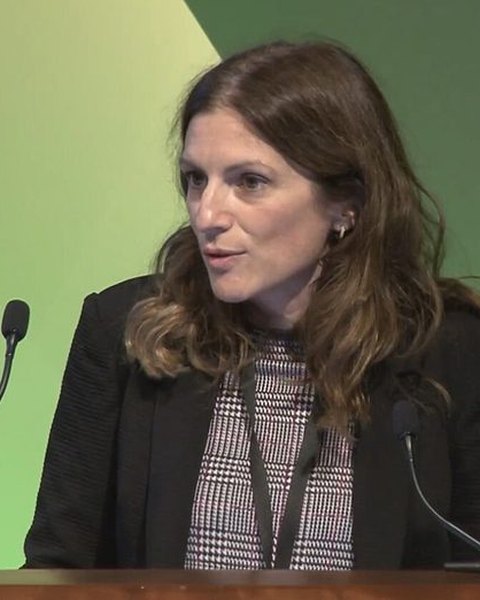
Marie Edmonds
The architecture and dynamics of magma reservoirs, and the volatiles that drive them
Simon A. Carn
The sulfur dioxide emissions of the world's volcanoes, measured from space
Jenni Barclay
Livelihoods, wellbeing, and the risk to life during eruptions
Juliet Biggs
The global link between deformation and eruption, measured from satellites
Paul Segall
What the deformation of the ground can and cannot say about the magma reservoir below
Guilherme A. R. Gualda
The lifetime of giant magma bodies, read from their crystals
Benjamin A. Black
The climate after the largest eruptions, modelled with Earth system models
Seth D. Burgess
Geochronology of large igneous provinces and mass extinctions
Christopher R. J. Kilburn
Seventy years of unrest at Campi Flegrei and the approach to eruption
Michael P. Poland
Where eruption forecasting stands and where it is going
Science is something people do
A formula can look as if it had always been there. The spotlights show that the questions are open, that the methods of each unit are in use today, and who is using them. For every unit you also receive a reading list with further papers that are free to read.