
Volcanology Masterclass Blog
Explanations, background, and advice for curious students.
Latest articles
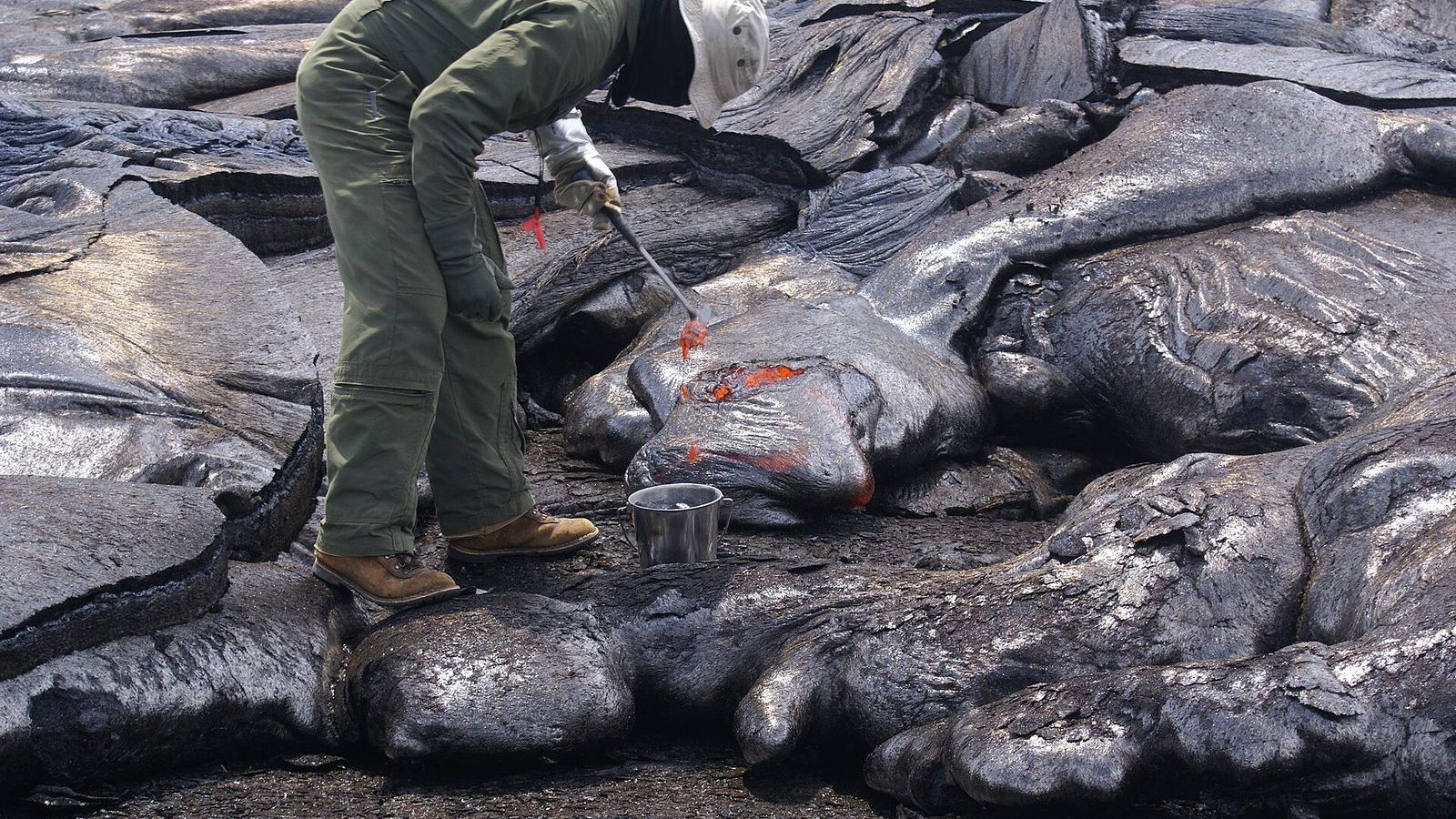
How to become a volcanologist
Most volcanologists spend far more time at a desk than at a crater. Here is what the job really is, which school subjects and degrees lead to it, what observatories and research groups look for, and where the field schools are.
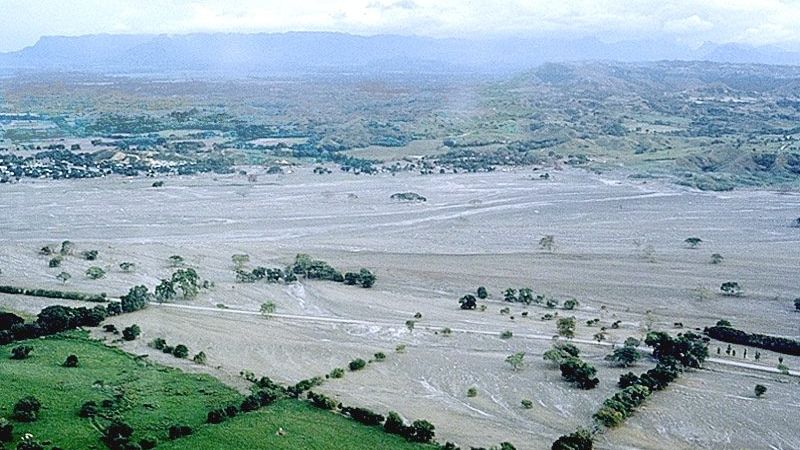
Armero, 13 November 1985
A small eruption of Nevado del Ruiz melted part of its ice cap. The lahars reached Armero, 70 km away, about two and a half hours later and killed about 23,000 people. A hazard map had shown the town in the path.
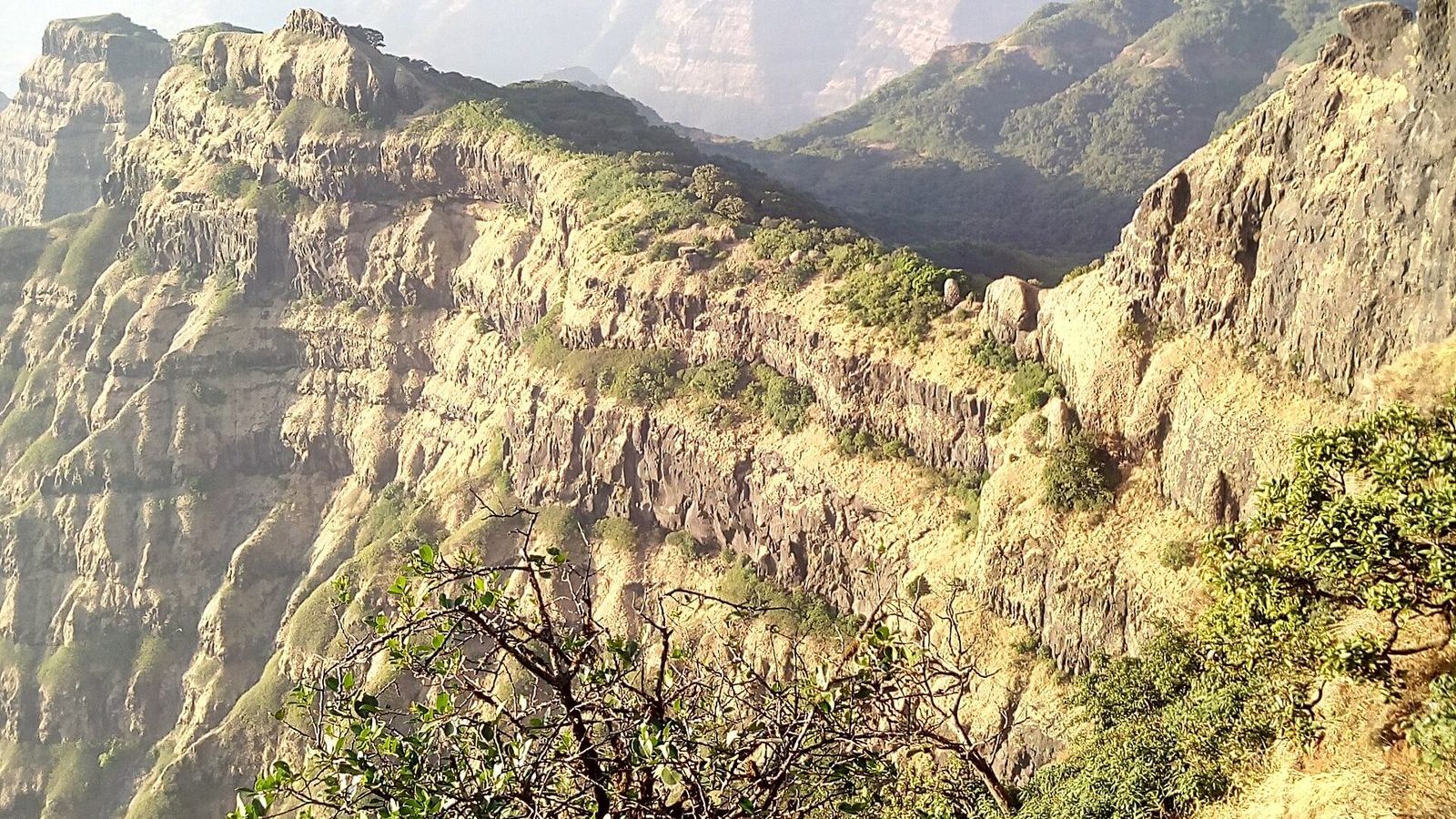
When a continent floods with lava
A flood basalt province is a million cubic kilometres of lava in less than a million years, from fissures tens of kilometres long, in flows that can each hold more than a thousand cubic kilometres. Three of the five great extinctions are dated beside one.
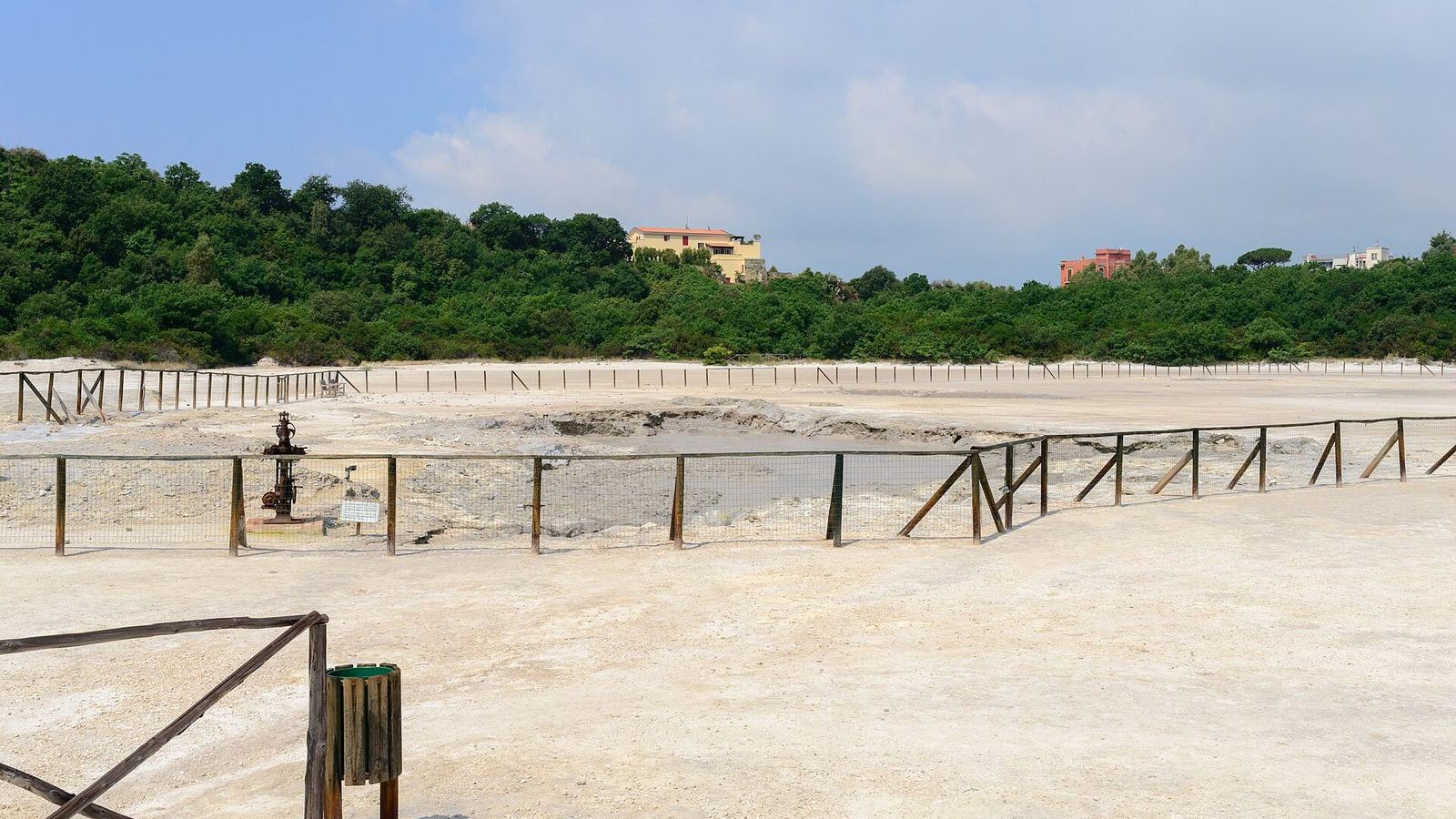
The volcano under Naples
Campi Flegrei is a caldera with half a million people in its red zone. The ground at Pozzuoli rose 1.8 m in 1982 to 1984 and has risen more than 1.3 m since 2005, with the strongest earthquakes in forty years in 2024 and 2025.
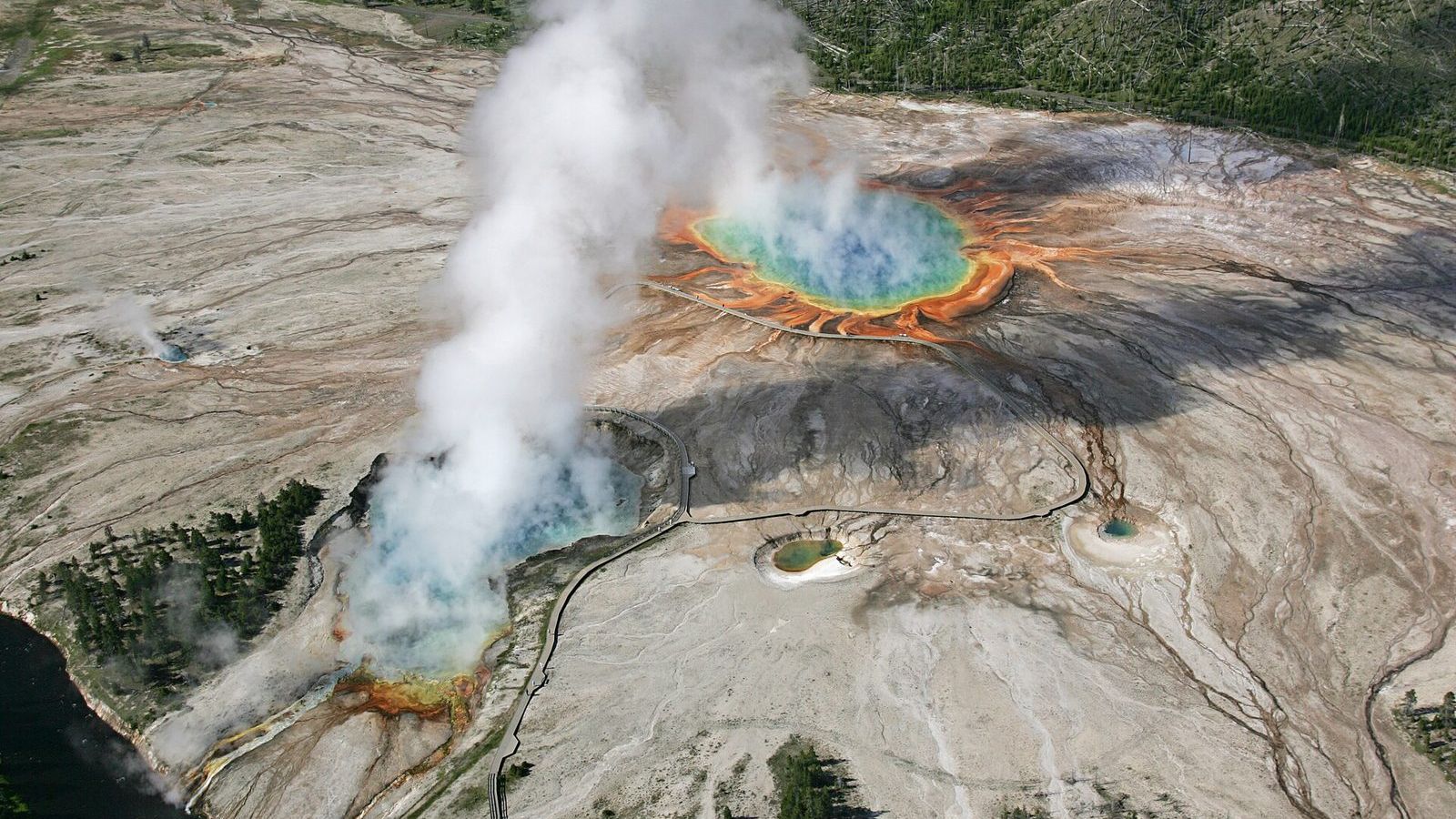
Is Yellowstone overdue?
Three great eruptions in about 2.1 million years, a mean spacing of about 725,000 years, and the last one 631,000 years ago. The arithmetic that makes Yellowstone sound overdue is wrong, and here is why.
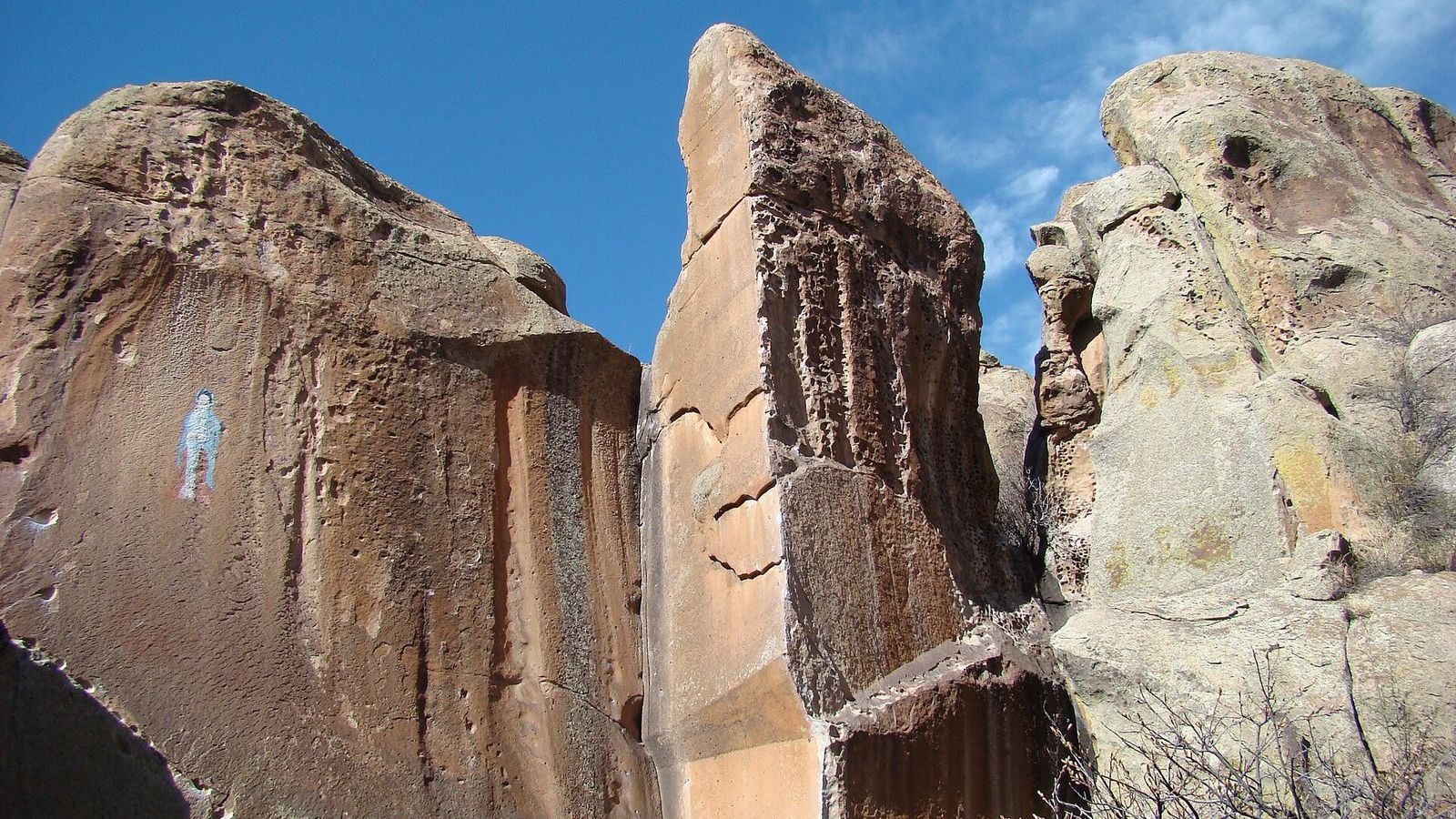
The largest eruption you have never heard of
About 28 million years ago a caldera in Colorado erupted about 5,000 km³ of magma in one event, the largest known. The deposit is a rock called the Fish Canyon Tuff, and measuring it is a lesson in how big numbers are made.
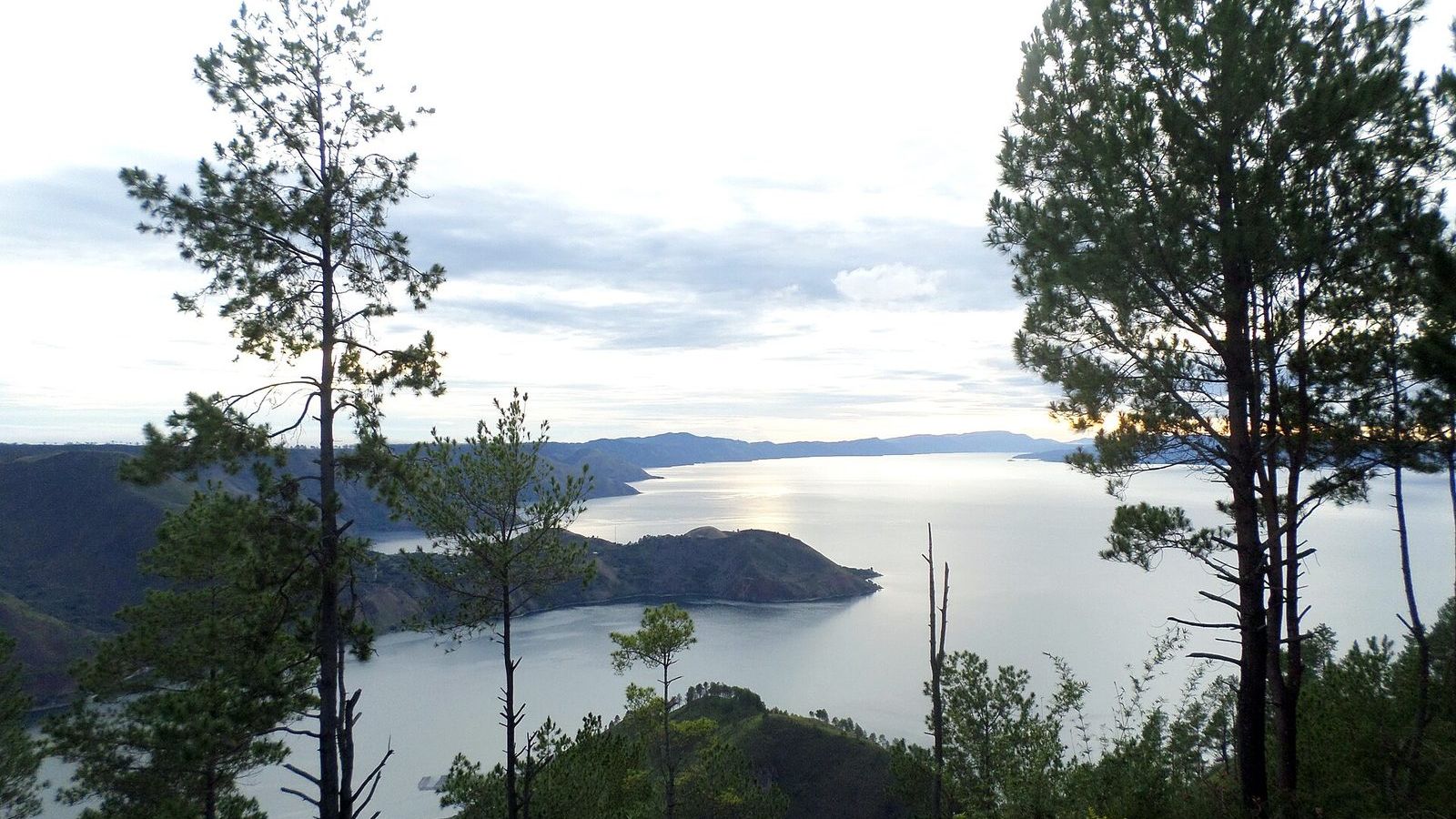
There is no such thing as a supervolcano
The word belongs to television. Volcanologists talk about super-eruptions, defined by magnitude, and about the calderas that produce them. Here is what the definition says, which eruptions qualify, and how often they happen.
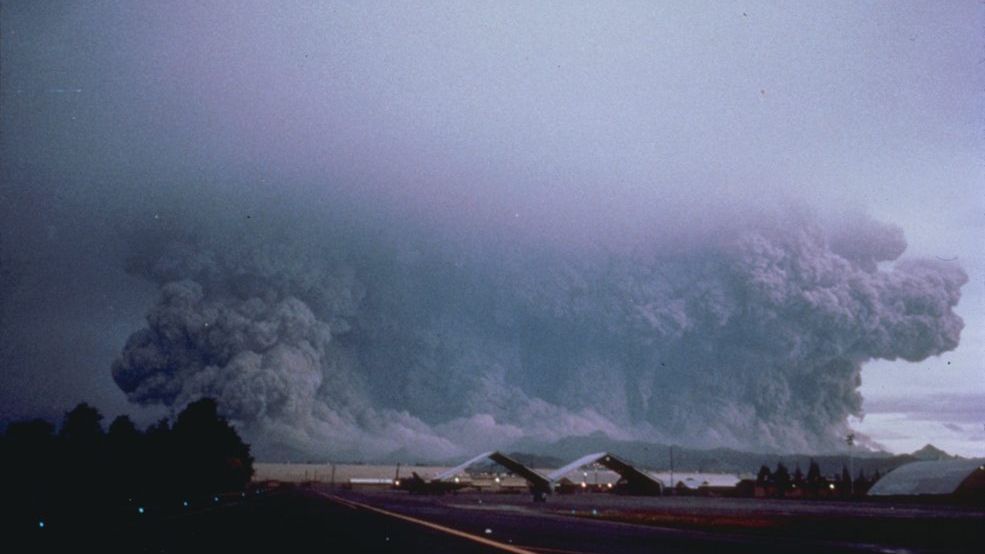
How Pinatubo was forecast in time
In June 1991 scientists of PHIVOLCS and the US Geological Survey read the earthquakes, the gas, and the ground of a volcano nobody had seen erupt, raised the alert step by step, and moved about 60,000 people before the eruption of 15 June.
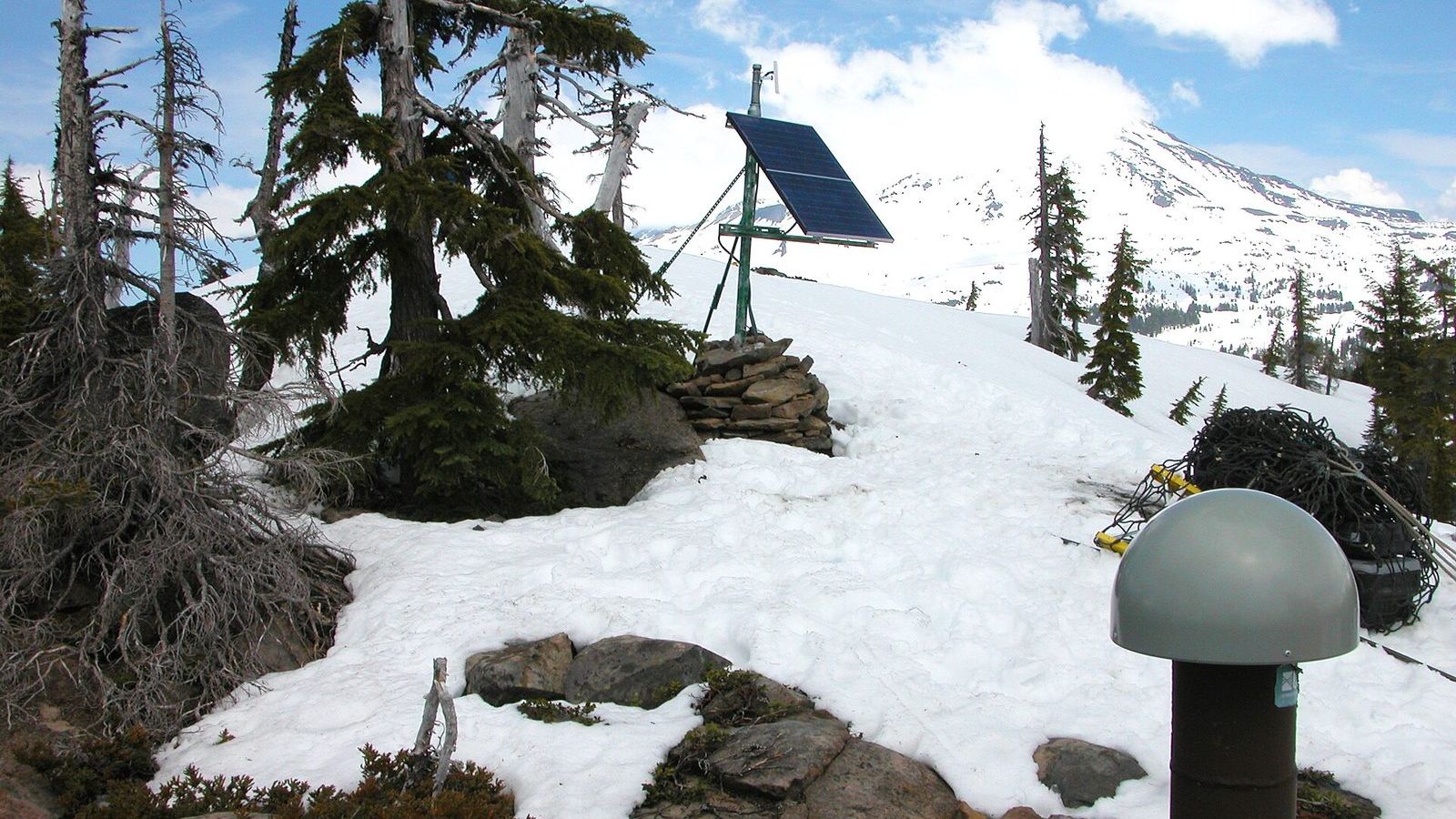
Why the ground rises before an eruption
Magma pushing into a reservoir a few kilometres down lifts the ground above it by centimetres. Tiltmeters, GNSS receivers, and radar satellites measure the lift, and a model from 1958 turns it into a depth and a volume.