
Volcanoes, climate, and the Earth system
How one eruption cools the planet for a year or two, why 1816 had no summer, what ice cores remember, and how little carbon dioxide volcanoes emit. These articles go with the units on the volcano in the Earth system, volcanic gases, and flood basalts.
Articles
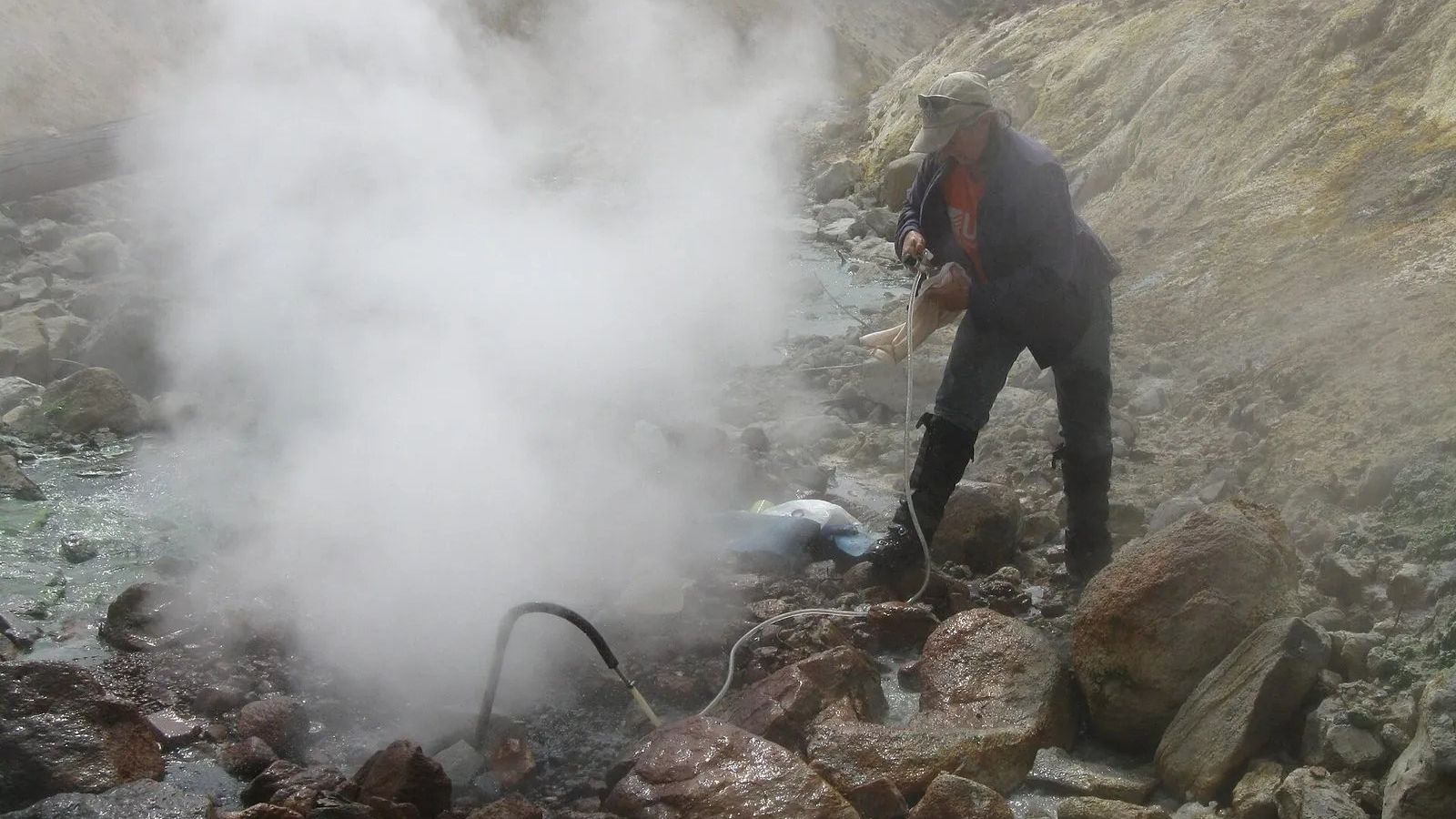
What a volcano's gases tell before it erupts
Carbon dioxide leaves a magma tens of kilometres down, sulfur a few kilometres down, water near the surface. The mix of gases at the crater rim is therefore a depth gauge, and observatories read it every day.
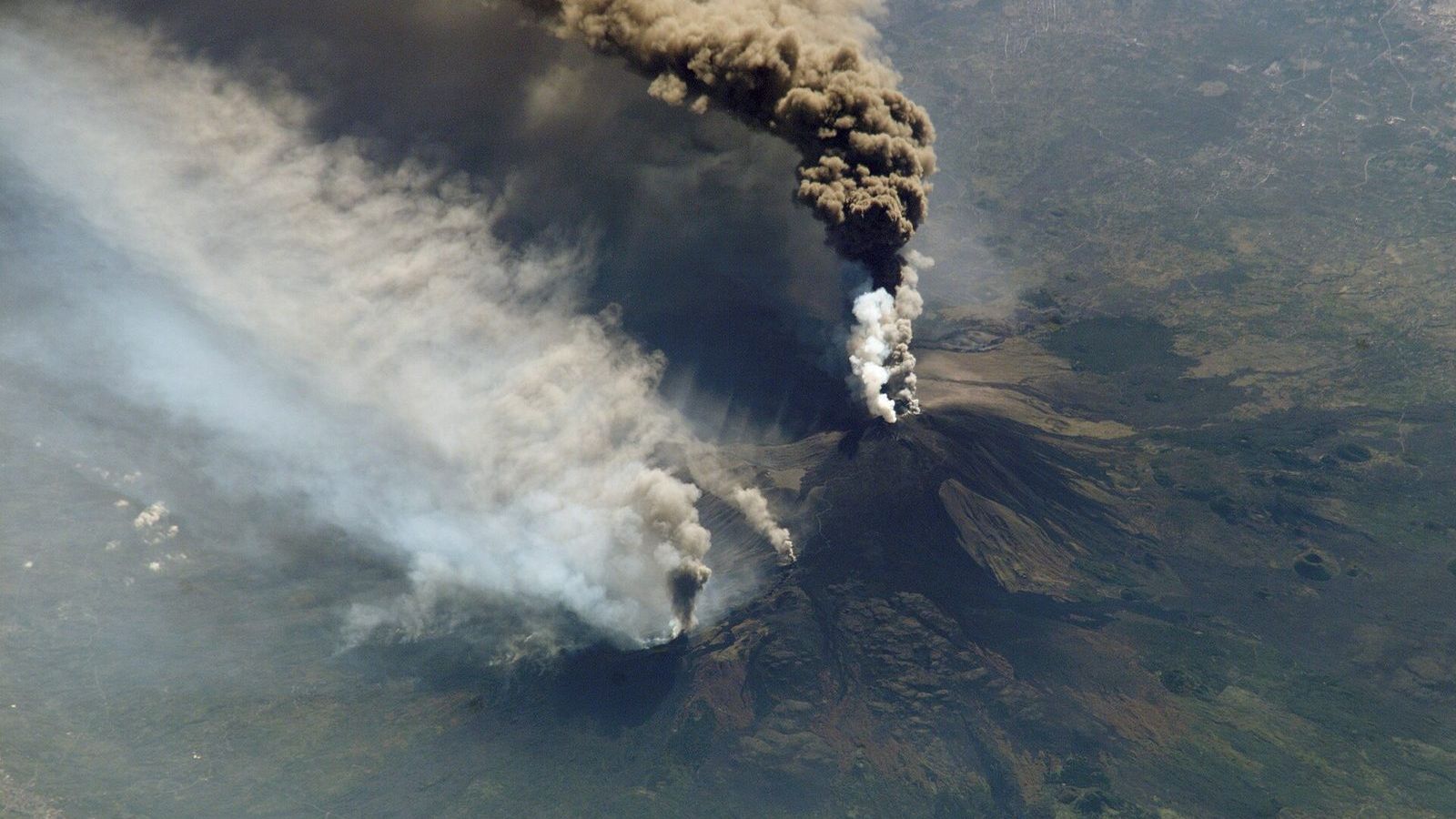
Do volcanoes emit more carbon dioxide than people?
No, and the margin is about a hundred to one. Here are the measurements behind the volcanic number, where the claim comes from, and what volcanoes really do to the climate on the scale of years and of millions of years.
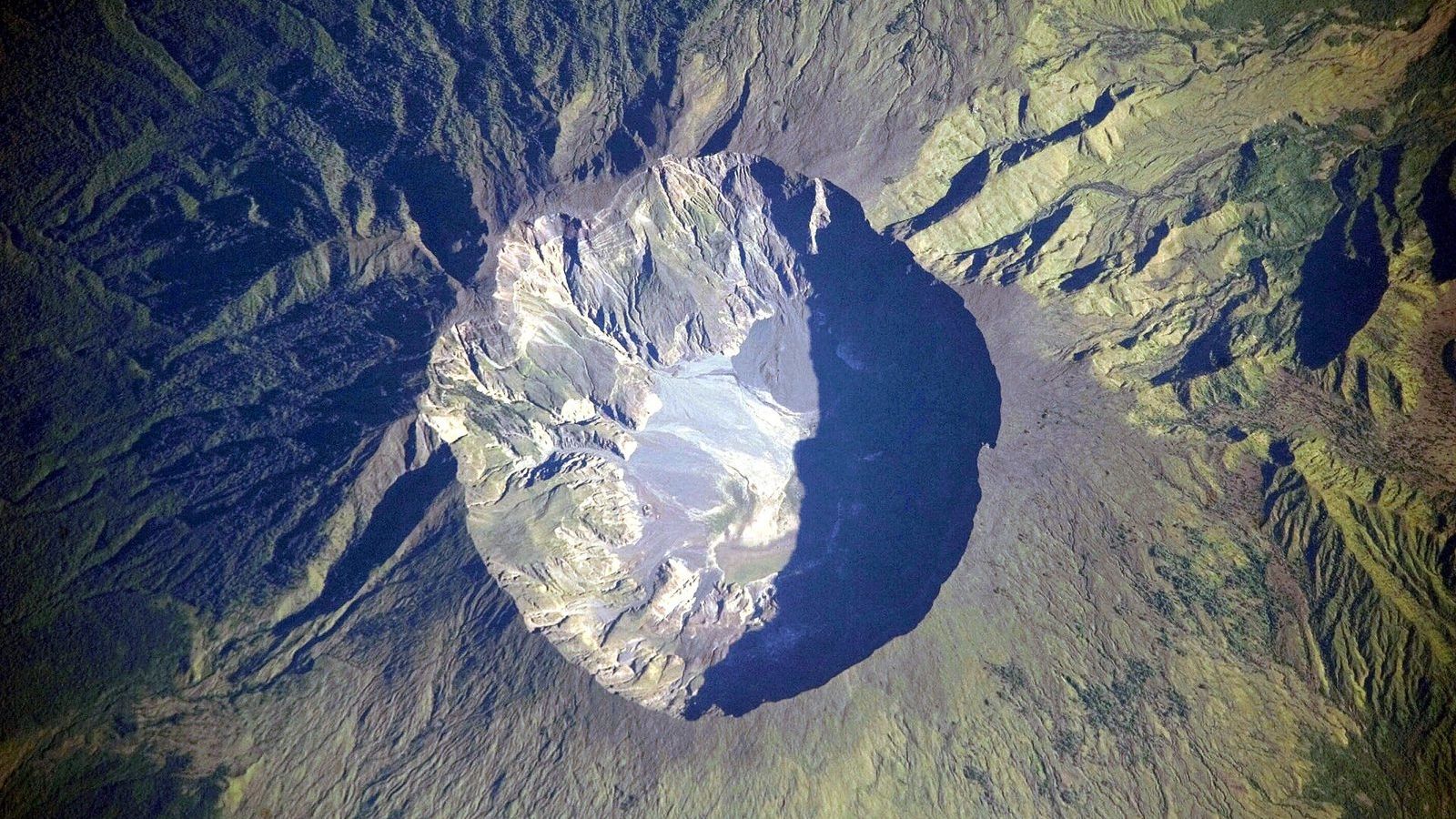
The year without a summer
Tambora erupted in April 1815 and the summer of 1816 failed from New England to the Rhine. The link runs through sulfur, the stratosphere, and a veil of tiny droplets, and Pinatubo let scientists measure it in 1991.
In the masterclass
Volcanoes and the Earth System
The gases that built the air, the eruptions that cooled the planet, and the people who live on volcanoes
Volcanic Gases
The gas that drives an eruption and the gas that announces it
Large Igneous Provinces and Flood Basalts
The largest volcanic events of all, which are not explosive