
Explosive eruptions and ash
Why dissolved gas tears a magma apart, how an eruption column climbs into the stratosphere, what the Explosivity Index measures, and what Pliny saw. These articles go with the unit on explosive eruptions.
Articles
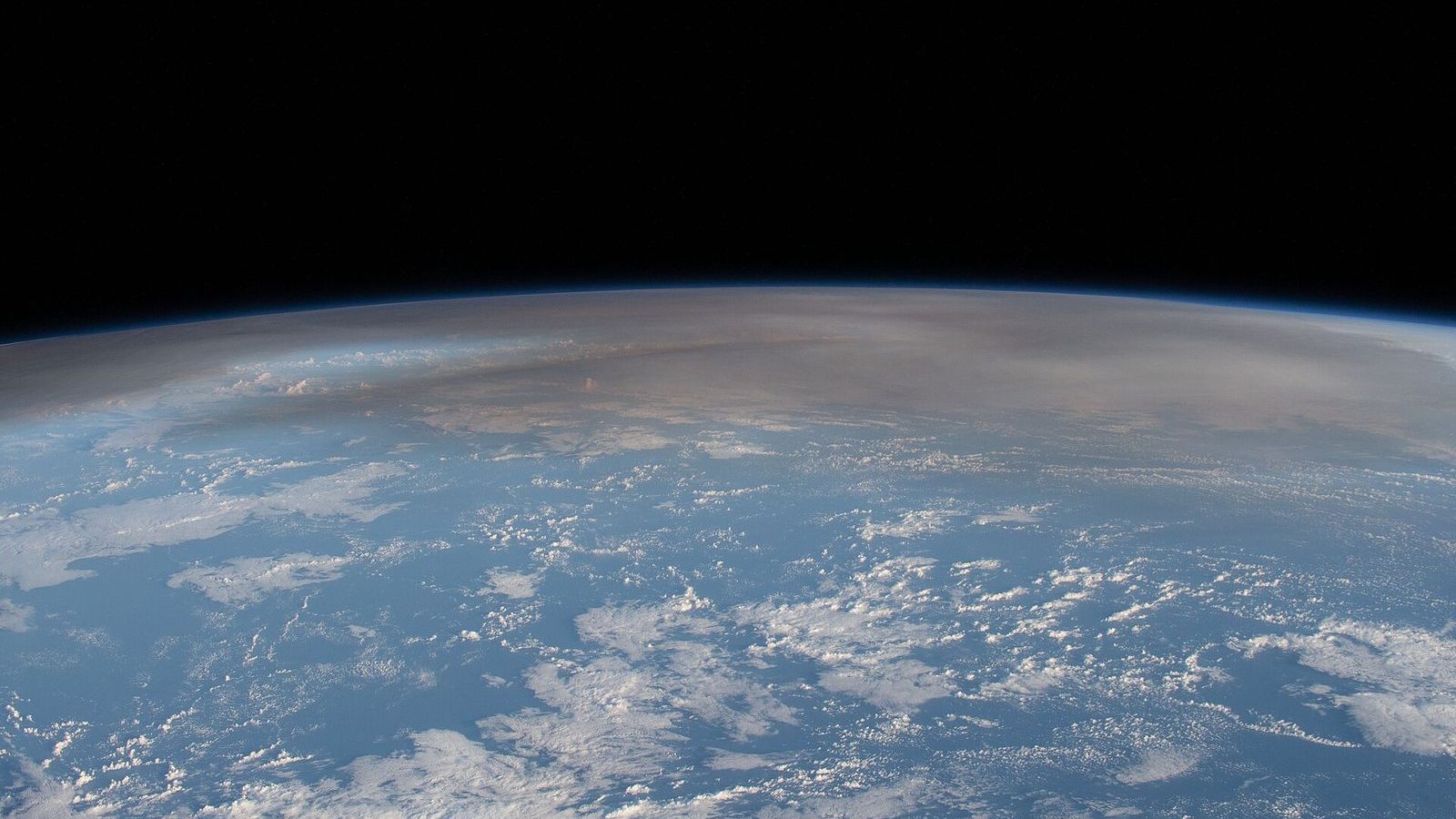
The eruption column that reached the mesosphere
On 15 January 2022 a submarine volcano in Tonga sent a cloud to about 57 km, higher than any eruption measured before. Three weather satellites saw it from different angles, and the geometry gave the height.
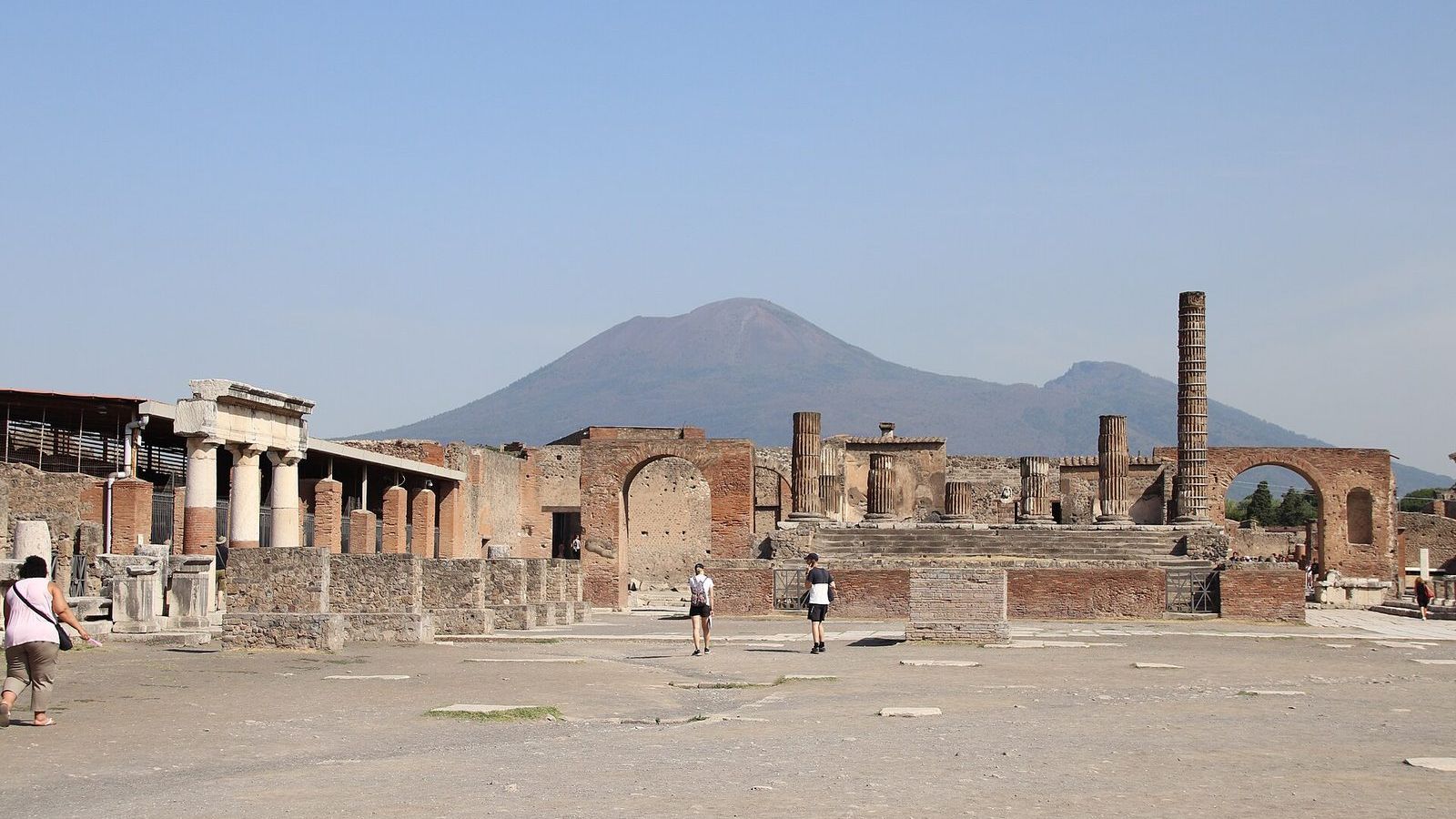
Pliny's letter and the eruption that named a style
Two letters to Tacitus, written about twenty-five years after the eruption of AD 79, are the first eyewitness account of a great eruption. A volcanologist reads them today as a record of column height, collapse, and ash fall.
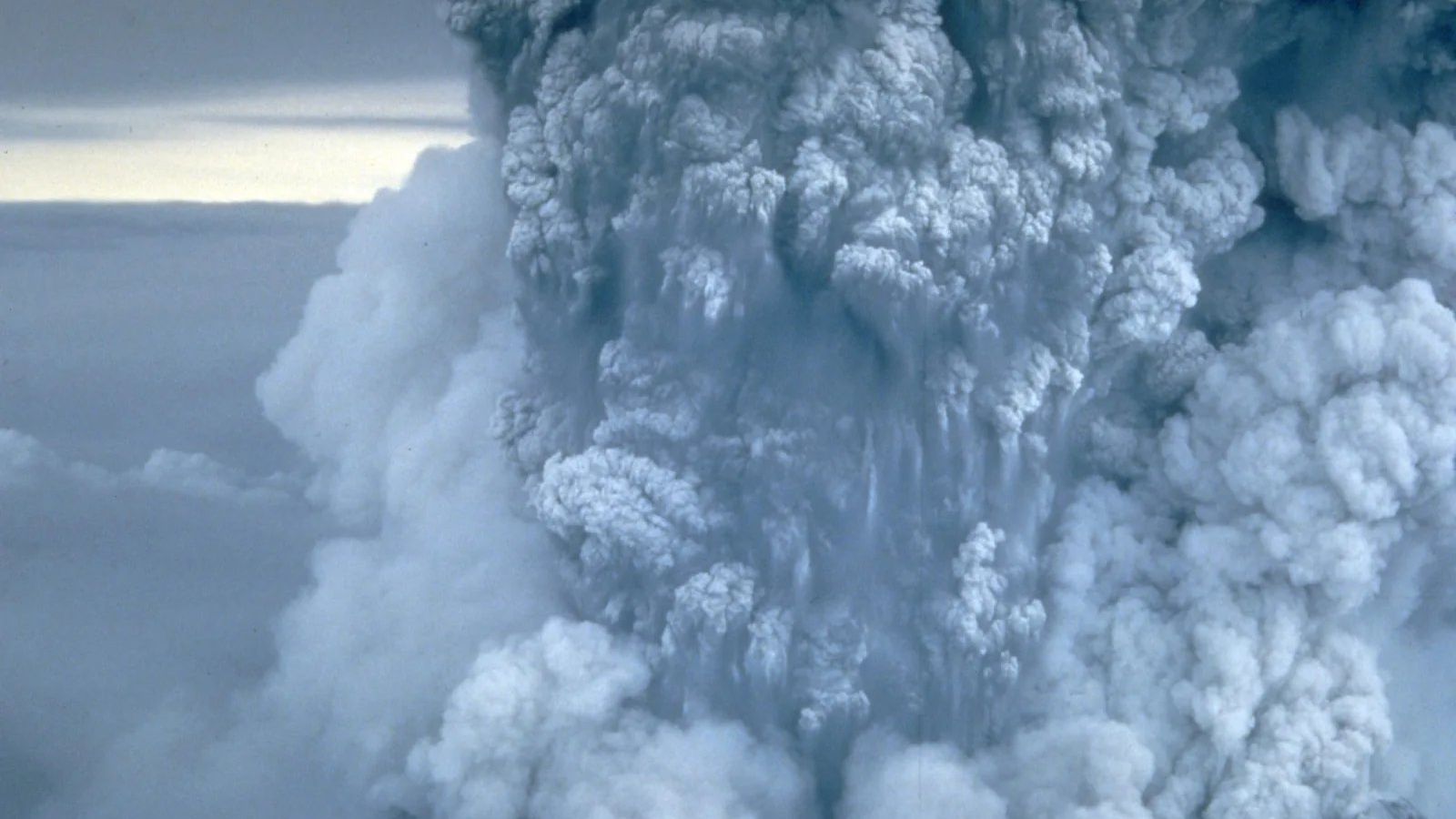
Why Mount St Helens exploded and Kīlauea does not
Two volcanoes fed by magma from the mantle, one of which flattened a forest and one of which tourists watch from a car park. The difference comes down to water, silica, and the physics of a shaken bottle.
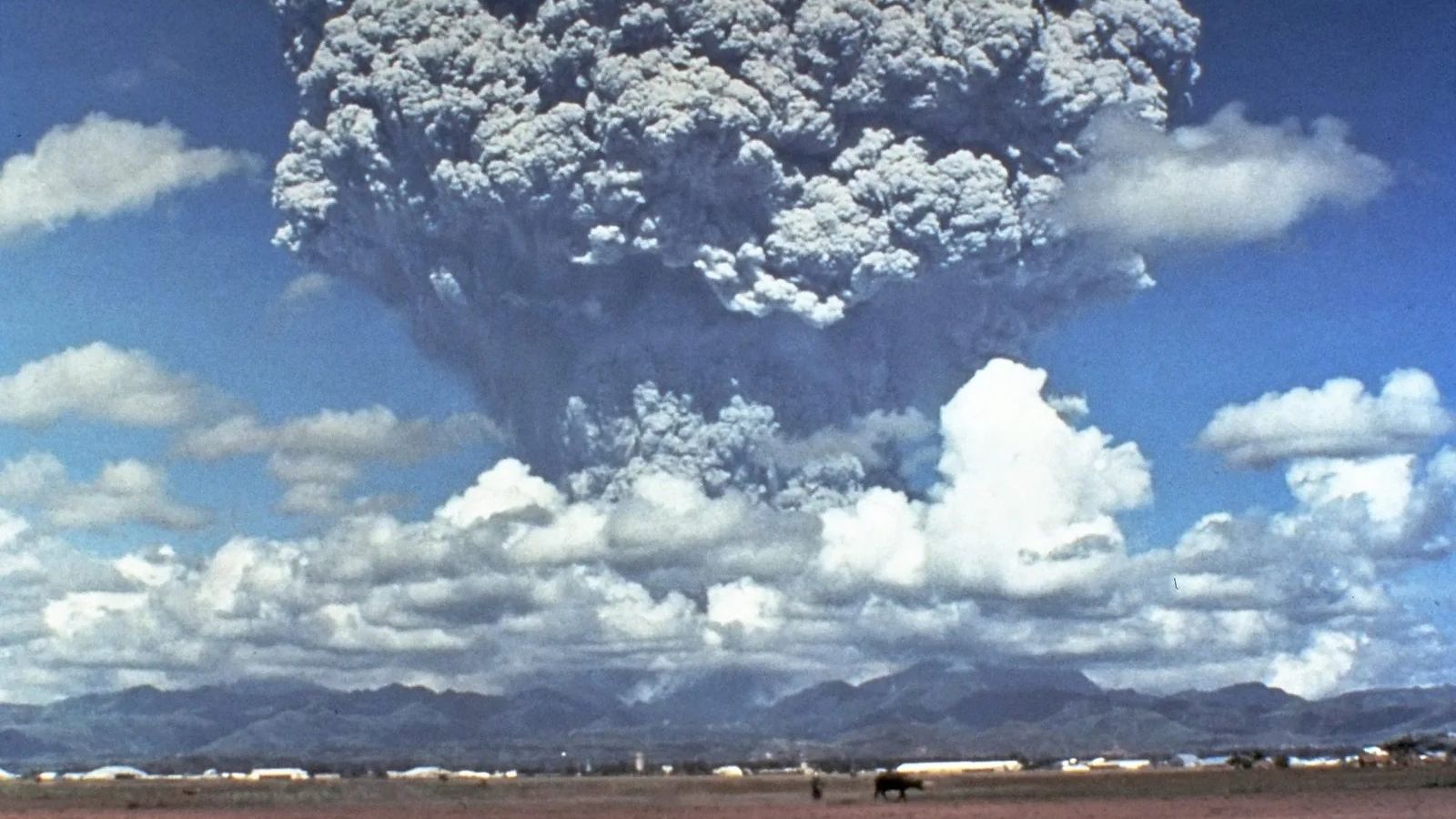
What the Volcanic Explosivity Index measures
VEI 5 for Mount St Helens, 6 for Pinatubo, 7 for Tambora: each step is about ten times the tephra. Here is how the index is defined, where the famous eruptions fall, what the magnitude scale adds, and what the index cannot tell you.