
Monitoring and forecasting eruptions
What a volcano's gases say before it erupts, why the ground rises and how satellites measure it, and how observatories turn the signs into an alert level. These articles go with the units on volcanic gases, on monitoring and forecasting, and on the restless calderas of today.
Articles
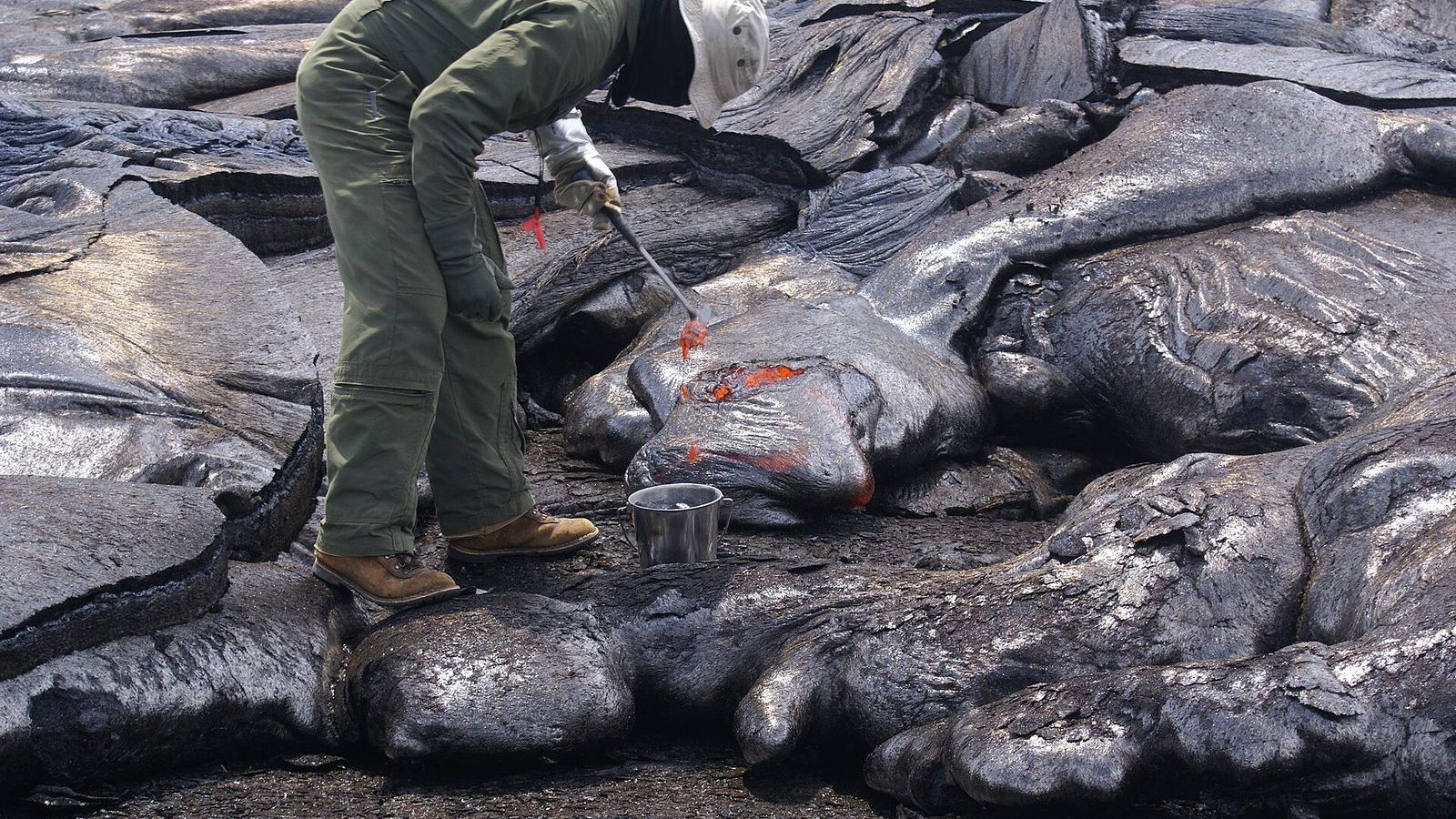
How to become a volcanologist
Most volcanologists spend far more time at a desk than at a crater. Here is what the job really is, which school subjects and degrees lead to it, what observatories and research groups look for, and where the field schools are.
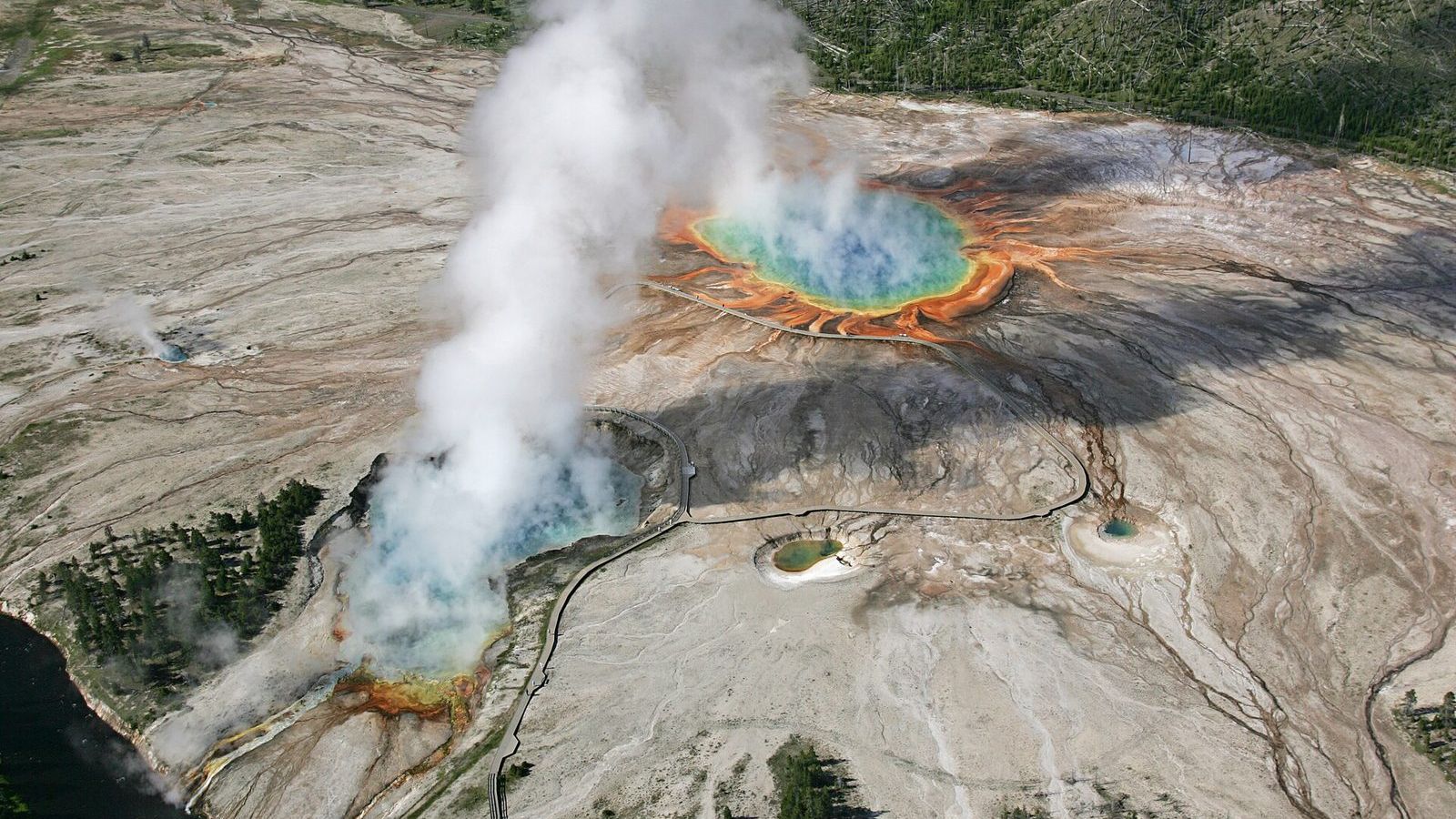
Is Yellowstone overdue?
Three great eruptions in about 2.1 million years, a mean spacing of about 725,000 years, and the last one 631,000 years ago. The arithmetic that makes Yellowstone sound overdue is wrong, and here is why.
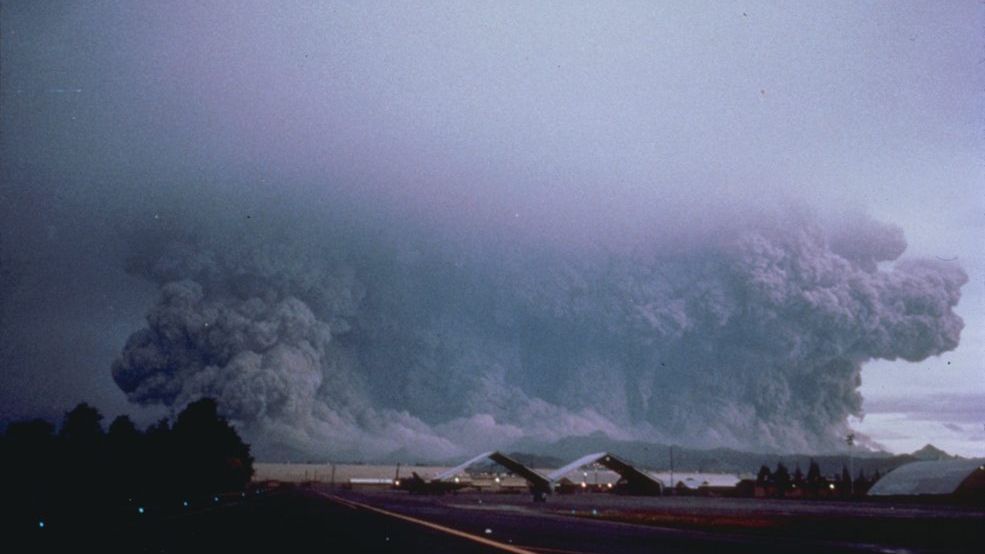
How Pinatubo was forecast in time
In June 1991 scientists of PHIVOLCS and the US Geological Survey read the earthquakes, the gas, and the ground of a volcano nobody had seen erupt, raised the alert step by step, and moved about 60,000 people before the eruption of 15 June.
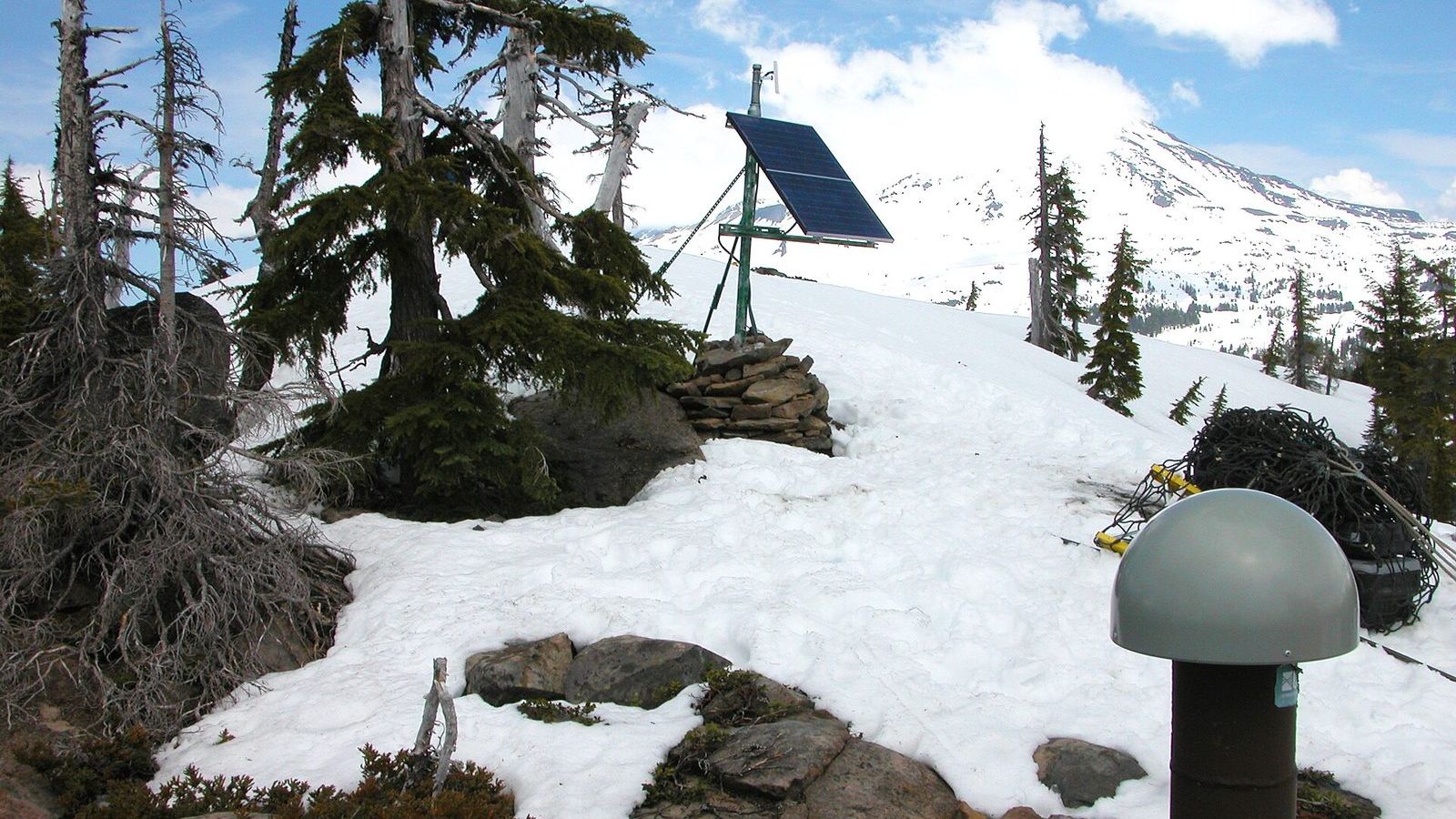
Why the ground rises before an eruption
Magma pushing into a reservoir a few kilometres down lifts the ground above it by centimetres. Tiltmeters, GNSS receivers, and radar satellites measure the lift, and a model from 1958 turns it into a depth and a volume.
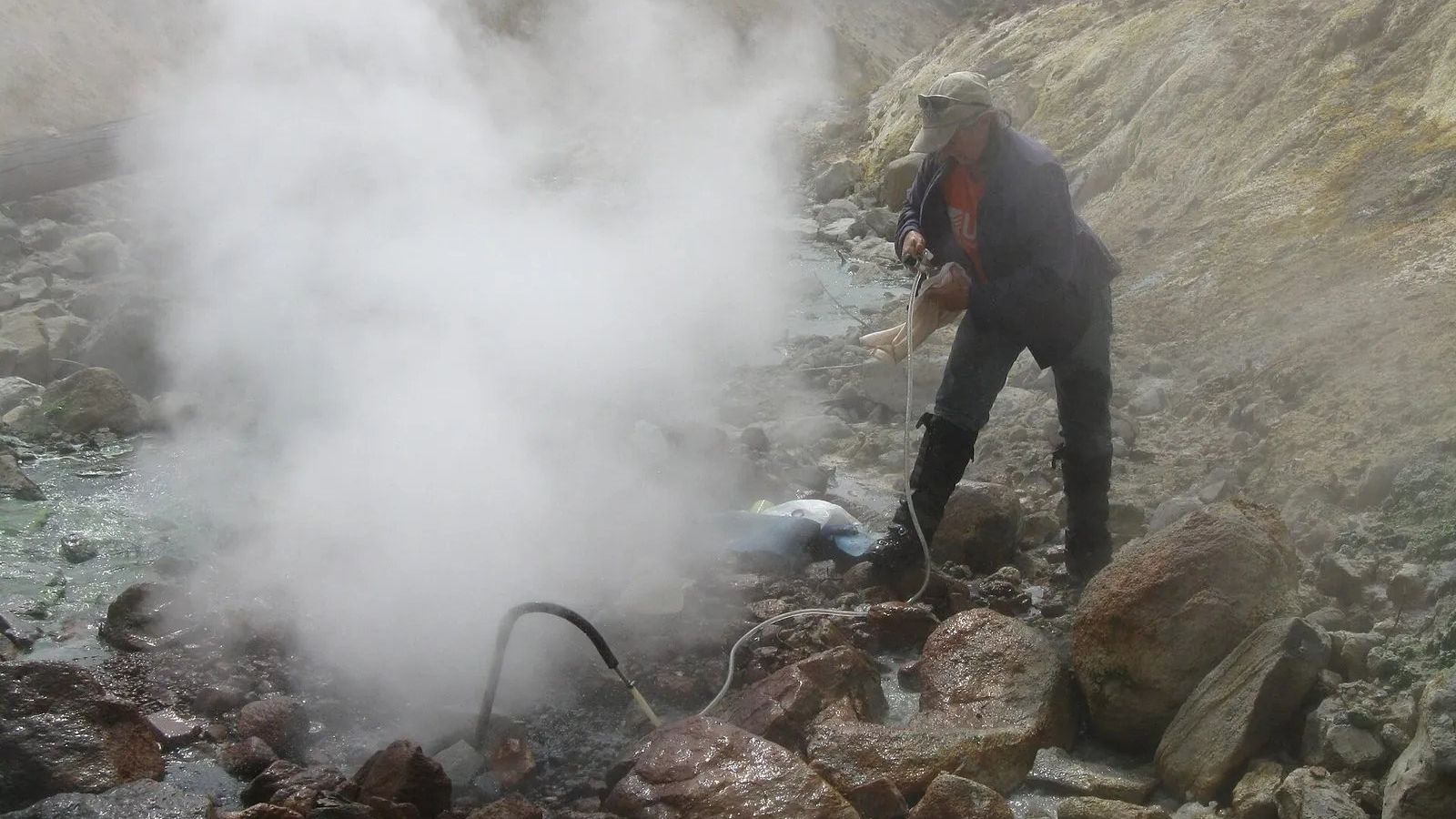
What a volcano's gases tell before it erupts
Carbon dioxide leaves a magma tens of kilometres down, sulfur a few kilometres down, water near the surface. The mix of gases at the crater rim is therefore a depth gauge, and observatories read it every day.
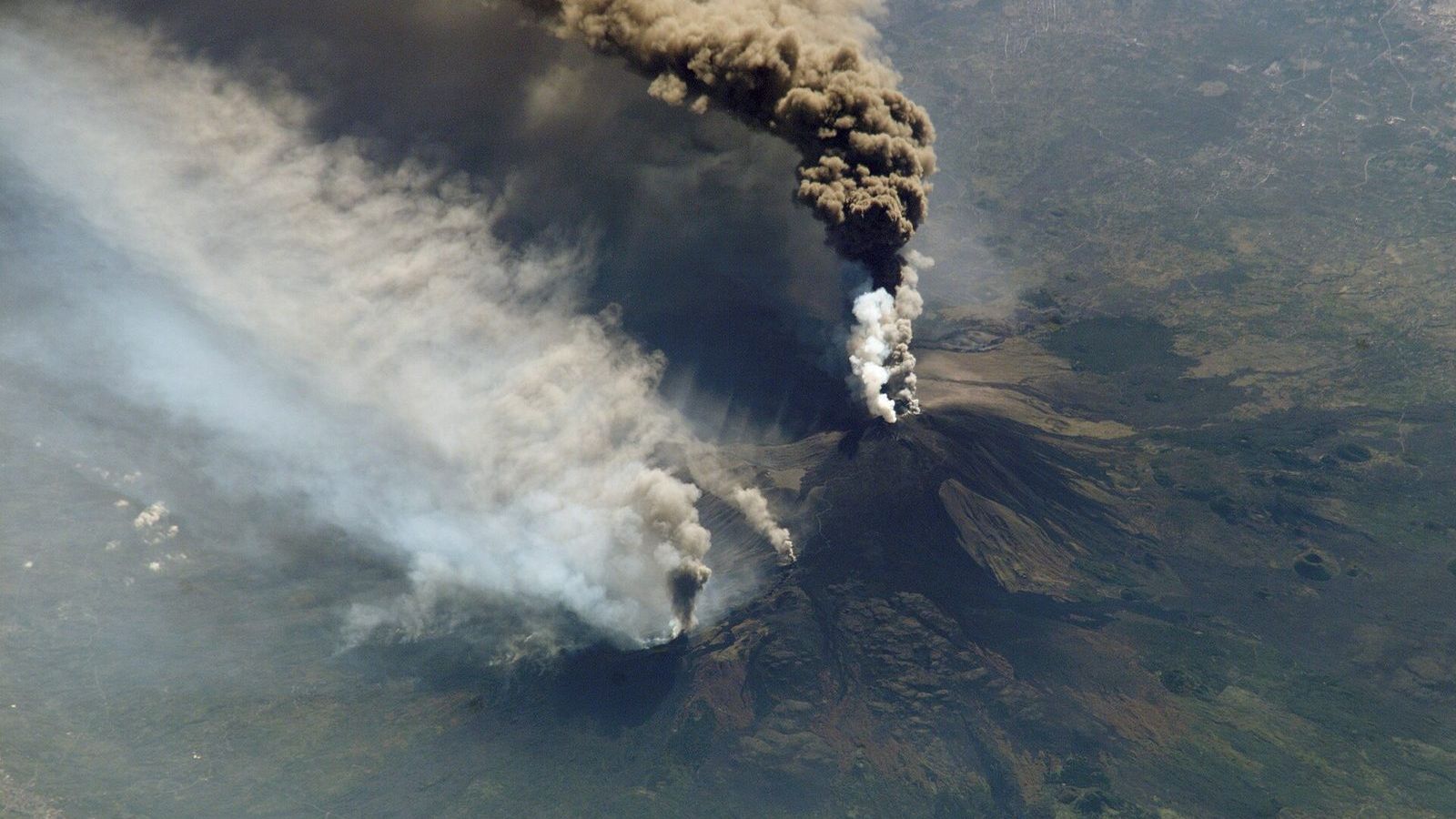
Do volcanoes emit more carbon dioxide than people?
No, and the margin is about a hundred to one. Here are the measurements behind the volcanic number, where the claim comes from, and what volcanoes really do to the climate on the scale of years and of millions of years.
In the masterclass
Volcanic Gases
The gas that drives an eruption and the gas that announces it
Monitoring and Forecasting Eruptions
The three signs of unrest, the observatory that reads them, and the limits of a forecast
Restless Calderas Today
Unrest under a city, and what volcanology can and cannot forecast